Essential Emails to Send for Small Business Growth
June 3, 2026
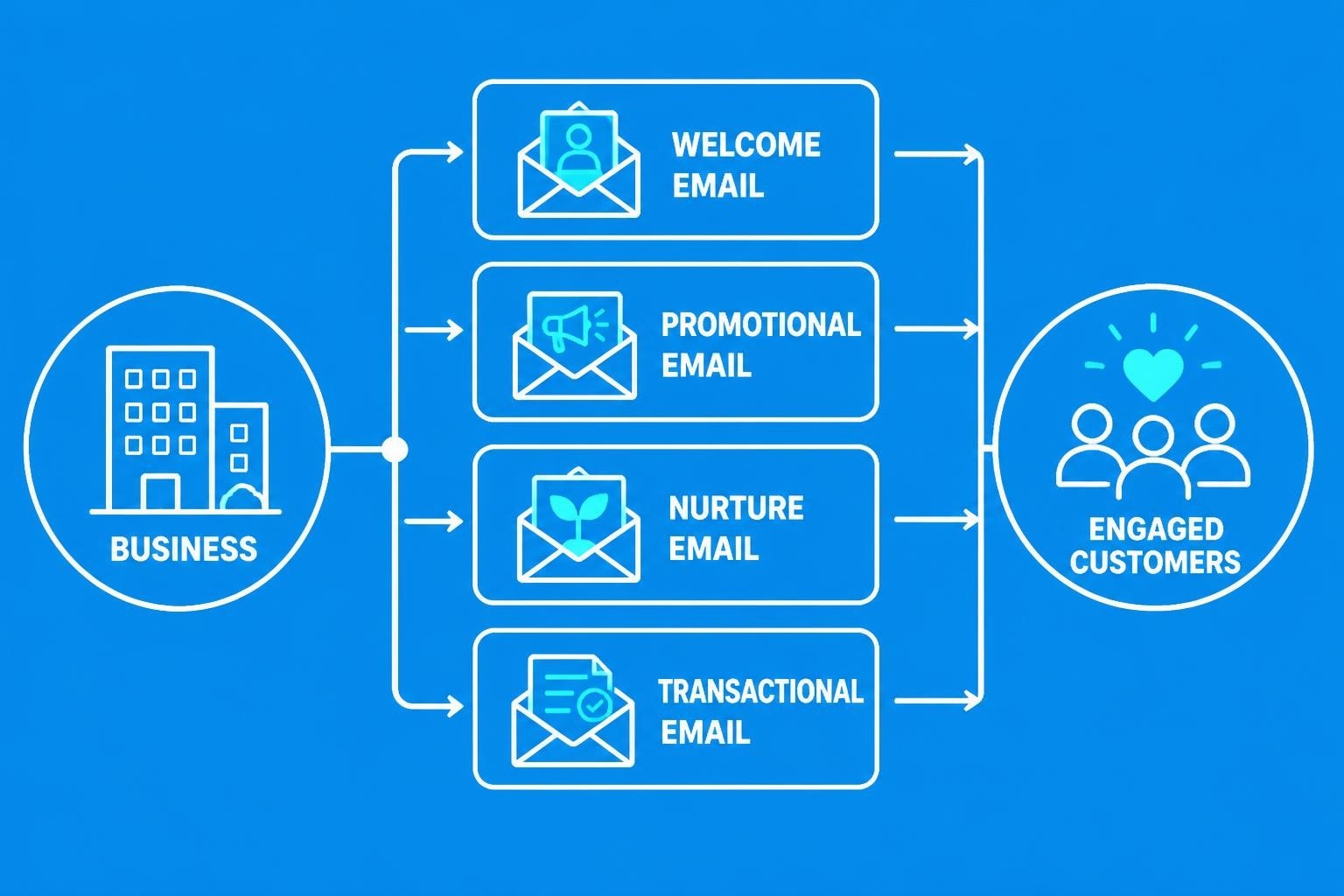
Email marketing remains one of the most powerful tools for small businesses, yet many owners struggle with knowing which emails to send and when. Understanding the strategic emails to send throughout your customer journey can transform casual subscribers into loyal customers whilst maximising your return on investment. This comprehensive guide explores the essential email types every small business should implement, helping you build a robust email marketing strategy that delivers measurable results.
Welcome Emails That Make First Impressions Count
The welcome email represents your first direct conversation with a new subscriber. This critical message sets the tone for your entire relationship and typically achieves open rates of 50-80%, significantly higher than standard marketing emails.
Your welcome email should arrive immediately after subscription, thanking recipients for joining your list. Include a clear value proposition explaining what subscribers can expect, whether that's weekly tips, exclusive offers, or industry insights. Many successful businesses use this opportunity to offer a special discount or free resource, encouraging immediate engagement.
Building Your Welcome Series
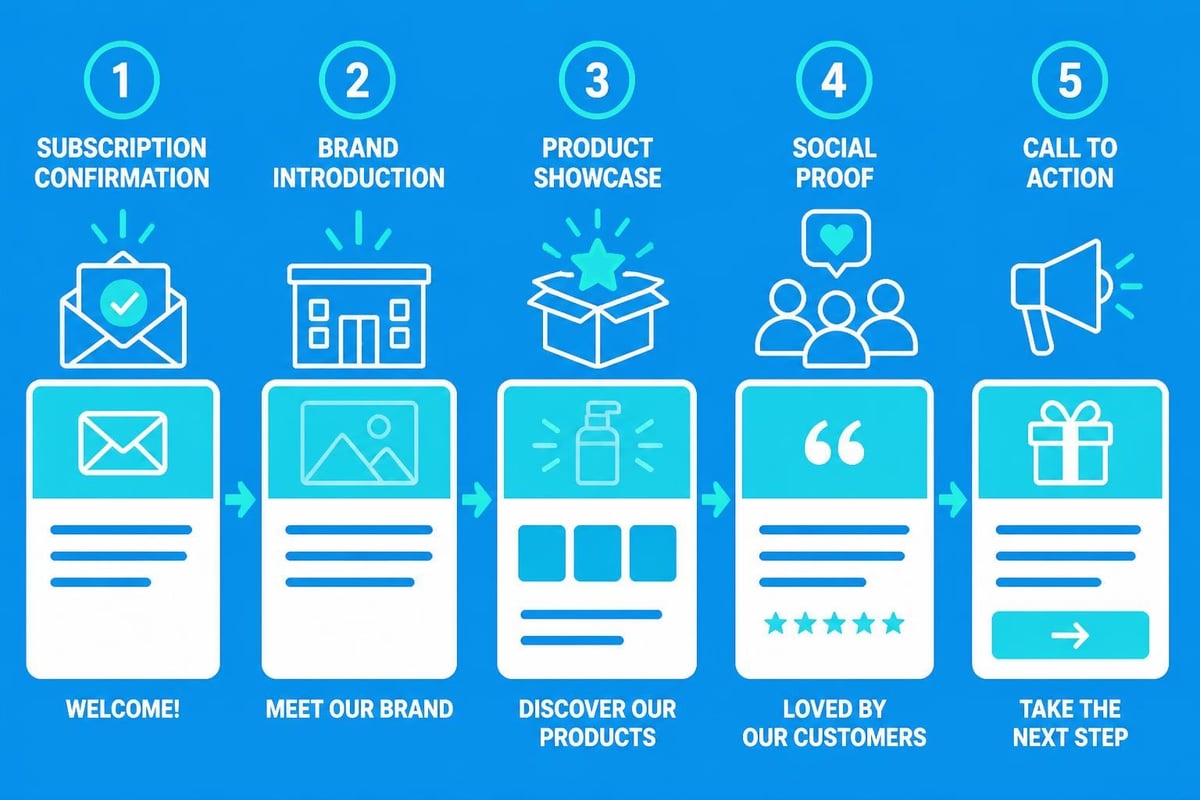
Rather than sending a single welcome email, consider creating a three to five email sequence that gradually introduces your brand:
- Email One: Immediate welcome with promised incentive
- Email Two: Brand story and values (sent 2-3 days later)
- Email Three: Best-selling products or most popular content
- Email Four: Customer testimonials and social proof
- Email Five: Clear call to action and next steps
This approach, recommended in email marketing best practices, helps build stronger connections whilst educating subscribers about your offerings. Small businesses using Astonish Email can automate these sequences, ensuring every new subscriber receives consistent, timely communication without manual intervention.
Promotional Emails That Drive Revenue
Promotional emails remain amongst the most common emails to send, yet they require careful planning to avoid overwhelming your audience. These messages announce sales, new products, or special offers designed to generate immediate revenue.
The key to effective promotional emails lies in strategic timing and genuine value. Rather than constantly bombarding subscribers with sales pitches, plan your promotional calendar around key dates, seasonal trends, and customer behaviour patterns.
Structuring Effective Promotional Messages
| Element | Best Practice | Why It Matters |
|---|---|---|
| Subject Line | Create urgency without sensationalism | Drives opens without triggering spam filters |
| Preview Text | Extend the subject line message | Provides additional context before opening |
| Offer Clarity | State the discount/benefit immediately | Reduces confusion and increases conversions |
| Visual Hierarchy | Feature products with clear CTAs | Guides readers towards desired action |
| Deadline | Include clear expiration date | Creates urgency and encourages immediate action |
According to types of marketing emails research, promotional emails perform best when segmented by customer interests and purchase history. A small business selling both products and services should send different promotions to each audience segment, ensuring relevance and higher engagement rates.
Educational and Nurture Emails
Not every email needs to sell. Educational content builds trust, establishes authority, and keeps your brand top-of-mind during the consideration phase. These are crucial emails to send for businesses with longer sales cycles or complex products.
Nurture emails provide valuable information that helps subscribers solve problems, learn new skills, or make informed decisions. A landscaping business might send seasonal gardening tips, whilst a software company could share productivity strategies or feature tutorials.
Key educational email formats include:
- How-to guides and tutorials
- Industry news and trend analysis
- Case studies demonstrating results
- Tips and best practices
- Resource round-ups and curated content
The frequency of educational emails depends on your industry and audience preferences, but most successful small businesses send at least one value-driven email weekly. When selecting a professional email platform, ensure it supports content templates and scheduling to maintain consistency.
Re-engagement Campaigns for Inactive Subscribers
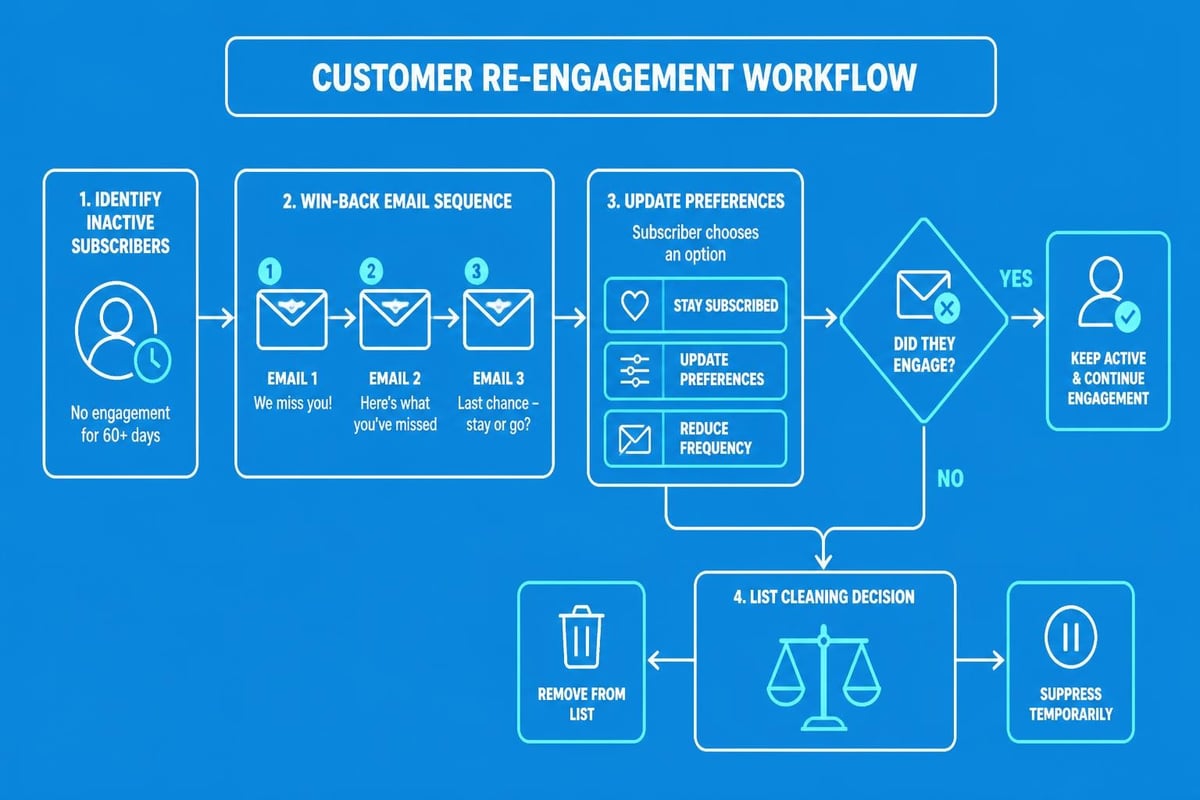
Every email list naturally develops inactive subscribers over time. Rather than ignoring these contacts, strategic re-engagement emails can revive interest and clean your list simultaneously.
Re-engagement campaigns target subscribers who haven't opened or clicked emails within a specified timeframe, typically 60-90 days. These emails acknowledge the lack of recent interaction whilst offering compelling reasons to stay subscribed.
Crafting Your Win-Back Strategy
Begin with a straightforward subject line acknowledging the situation: "We've missed you" or "Still interested in [topic]?" proves more effective than generic promotional messages.
Inside the email, acknowledge the recipient's inactivity without guilt-tripping. Remind them why they originally subscribed and what they're missing. Offer a special incentive to return, whether that's an exclusive discount, early access to new products, or premium content.
Most importantly, include a clear preference centre link where subscribers can update their email frequency or interests. This demonstrates respect for their inbox whilst potentially saving the relationship. For those who remain unresponsive, implement a sunset policy removing truly disengaged contacts, which improves your overall deliverability and engagement metrics.
Transactional Emails That Build Trust
Transactional emails confirm actions customers have taken, such as purchases, password resets, or account updates. Whilst primarily functional, these represent important emails to send because they achieve exceptionally high open rates and provide opportunities for additional engagement.
Order confirmation emails should include all essential details: items purchased, total cost, estimated delivery date, and tracking information. However, they can also recommend complementary products or invite customers to follow your social channels.
Essential transactional emails include:
- Order confirmations
- Shipping notifications
- Delivery confirmations
- Password reset messages
- Account creation confirmations
- Subscription renewal reminders
- Receipt and invoice emails
According to email campaign best practices, transactional emails should arrive within minutes of the triggering action. Delayed confirmations create anxiety and increase support enquiries. Automation through platforms supporting email systems for small business ensures these critical messages send instantly without manual intervention.
Feedback and Survey Emails
Customer feedback emails serve dual purposes: gathering valuable insights whilst demonstrating that you value subscriber opinions. These emails to send might request product reviews, satisfaction ratings, or general feedback about customer experience.
Post-purchase survey emails work best when sent 7-14 days after delivery, allowing customers time to use products whilst memories remain fresh. Keep surveys brief, ideally five questions or fewer, and always explain how you'll use the feedback.
Net Promoter Score (NPS) emails ask one simple question: "How likely are you to recommend us to a friend?" This single metric provides powerful insights into customer satisfaction and loyalty trends over time.
Maximising Survey Response Rates
Incentivising feedback can dramatically improve response rates, but choose rewards carefully. Small discounts on future purchases work well, whilst charity donations in respondents' names add altruistic appeal.
Always share what you've learned and how you've responded. Following up with "You spoke, we listened" emails demonstrates that customer input drives real change, encouraging future participation. This transparency builds community and strengthens customer relationships beyond transactional interactions.
Seasonal and Event-Based Campaigns
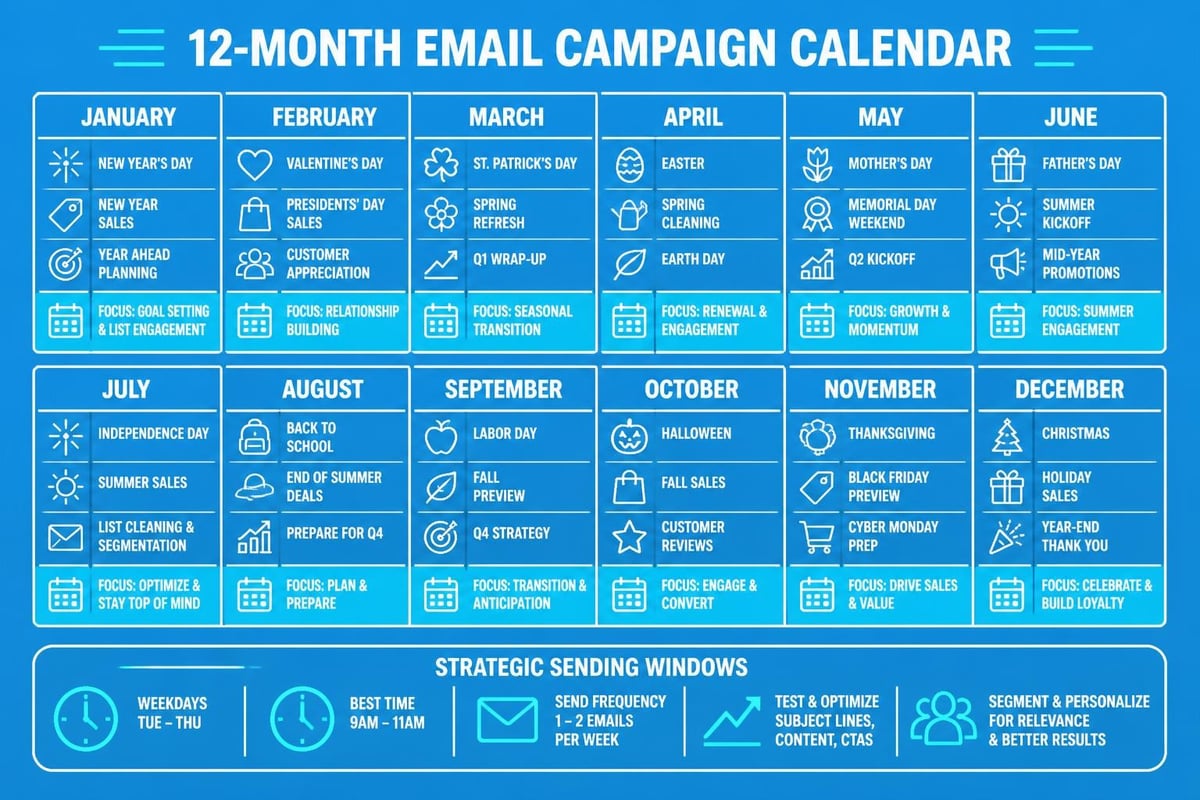
Strategic seasonal emails capitalise on predictable shopping periods and cultural events. Planning these emails to send months in advance ensures polished campaigns that arrive at optimal times.
Holiday emails require careful timing. Christmas campaigns typically begin in mid-November, whilst Mother's Day or Father's Day promotions should start 2-3 weeks before the event. Understanding common rookie mistakes in email marketing helps avoid oversaturated periods where your message might drown in crowded inboxes.
Beyond major holidays, consider industry-specific events, awareness months, or anniversaries relevant to your business. A fitness studio might build campaigns around New Year's resolutions, marathon training seasons, or summer body preparation.
| Season | Email Focus | Optimal Send Time |
|---|---|---|
| January | Fresh starts, goal setting | First week of month |
| Spring | Renewal, spring cleaning | Late February-March |
| Summer | Holiday planning, outdoor activities | May-early June |
| Autumn | Back to school, routine establishment | Late August-September |
| Winter | Gift giving, year-end reflection | November-December |
Birthday and Anniversary Emails
Personal milestone emails create emotional connections that generic promotional messages cannot match. Birthday and anniversary emails to send demonstrate attention to individual customers whilst providing natural opportunities for special offers.
Birthday emails should arrive on or slightly before the actual date, offering a time-limited discount or gift. These messages consistently achieve above-average open and conversion rates because they feel personalised and celebratory.
Anniversary emails mark the relationship between customer and brand, celebrating one year since first purchase or subscription. These messages work particularly well for service businesses, subscription models, or high-value product companies where purchases happen infrequently.
Collecting birth dates requires thoughtful strategy. Some businesses request this information during account creation, whilst others offer special birthday clubs requiring opt-in. Always explain the benefit clearly and respect privacy concerns by specifying you'll only use dates for special birthday offers.
Cart Abandonment Recovery Emails
Cart abandonment emails recover potentially lost revenue by reminding customers about items left unpurchased. These represent some of the most valuable emails to send for e-commerce businesses, with recovery rates averaging 10-15% of abandoned carts.
The first abandonment email should send within one hour of cart abandonment, whilst the customer's interest remains high. This message simply reminds them about forgotten items and provides an easy link to complete checkout.
Effective cart abandonment sequences typically include:
- First email (1 hour later): Simple reminder with cart contents
- Second email (24 hours later): Added value such as free shipping or answers to common concerns
- Third email (72 hours later): Final reminder with stronger incentive or urgency
Implementing abandonment emails requires understanding why customers abandon carts. Address common obstacles like unexpected shipping costs, complicated checkout processes, or security concerns. Following best practices for designing professional email campaigns ensures these recovery messages appear trustworthy and professional, encouraging completion rather than deletion.
Post-Purchase Follow-Up Sequences
The relationship shouldn't end after purchase. Post-purchase emails strengthen customer loyalty, encourage repeat purchases, and generate valuable reviews. These strategic emails to send transform one-time buyers into long-term advocates.
Begin with a thank-you email immediately after purchase, expressing genuine appreciation. Within a week, send educational content helping customers maximise their purchase, such as usage tips, care instructions, or complementary recipes for food products.
Two to three weeks post-purchase represents an ideal time to request reviews or testimonials. Customers have sufficient experience with products whilst memories remain fresh. Personalise these requests with specific product names and easy review submission processes.
Finally, implement cross-sell and upsell campaigns based on purchase history. A customer who bought running shoes might appreciate emails about moisture-wicking socks or fitness trackers. This relevance, discussed in email marketing best practices for great campaigns, ensures suggestions feel helpful rather than pushy.
Newsletter Emails for Consistent Engagement
Regular newsletters keep subscribers engaged between purchases whilst establishing your authority and personality. These emails to send might combine company updates, industry news, helpful tips, and subtle promotional content into digestible formats.
Successful newsletters maintain consistent schedules, whether weekly, fortnightly, or monthly. Readers should know when to expect your message, building anticipation and routine. Choose a frequency you can sustain with quality content rather than ambitious schedules that become burdensome.
Content variety keeps newsletters interesting across multiple editions. Mix formats such as:
- Feature articles with deep dives into specific topics
- Quick tips or numbered lists
- Customer spotlights or success stories
- Behind-the-scenes business updates
- Curated resources from other creators
- Product spotlights with genuine context
Clear visual hierarchy helps readers scan content quickly, selecting sections that interest them most. Use descriptive section headers, bullet points, and strategic white space. When building newsletters through services supporting email marketing for small businesses, prioritise mobile-responsive templates since most subscribers read on smartphones.
VIP and Loyalty Programme Emails
Exclusive emails reward your best customers whilst encouraging others to increase engagement. VIP programme communications represent powerful emails to send for building community and driving repeat business.
Launch emails introduce the programme, explaining membership tiers, benefits, and how to qualify. Make benefits tangible and desirable, whether that's early sale access, exclusive products, or special events.
Ongoing VIP emails maintain engagement with tier-specific offers and content. Monthly point updates remind members of their status whilst highlighting redemption options. Anniversary emails celebrating membership milestones add personal touches that strengthen emotional connections.
Tier upgrade notifications create positive moments whilst encouraging continued engagement. When customers reach new levels, immediately communicate their enhanced benefits and congratulate their achievement. This gamification element, particularly effective for businesses with frequent purchase cycles, transforms ordinary shopping into rewarding progression.
Event Invitation and Webinar Emails
Event emails promote virtual or physical gatherings whilst building anticipation. Whether hosting webinars, workshops, product launches, or community meetups, these emails to send require strategic planning and multi-touch approaches.
Initial invitation emails should send 3-4 weeks before events, providing essential details and clear registration links. Emphasise speaker credentials, learning outcomes, or networking opportunities that justify attendance.
Reminder sequences prevent no-shows whilst building excitement:
- Two-week reminder highlighting agenda details
- One-week reminder introducing speakers or special guests
- 24-hour reminder with logistical information
- One-hour reminder with direct access links
Post-event follow-ups extend value beyond the event itself. Share presentation slides, recordings, or summary notes whilst requesting feedback. These messages often generate additional registrations for future events from recipients who missed the original.
According to insights on supercharging email marketing campaigns, segmenting event invitations by audience interests dramatically improves attendance rates. Rather than inviting entire lists to every event, target relevant segments based on past behaviour and stated preferences.
Content Upgrade and Lead Magnet Delivery
Content upgrade emails deliver promised resources whilst nurturing new leads into customers. These targeted emails to send often represent first impressions for subscribers who joined specifically to access particular resources.
Delivery emails should arrive immediately upon subscription, providing instant access to promised content. Include direct download links or access instructions without requiring additional steps or login credentials.
Beyond simple delivery, these emails offer opportunities to:
- Welcome subscribers and introduce your brand
- Suggest related content or resources
- Invite engagement through social media or community platforms
- Preview your products or services naturally
- Set expectations for future communications
A small business offering a free social media planning template might follow up with additional tips, case studies showing results, or introductions to their paid scheduling tools. This gradual nurturing, rather than immediate hard selling, respects the subscriber's initial intent whilst building towards commercial relationships.
Customer Win-Back Campaigns
Win-back campaigns target lapsed customers who previously purchased but haven't returned within expected timeframes. These valuable emails to send often achieve higher conversion rates than new customer acquisition campaigns whilst costing considerably less.
Begin by defining "lapsed" based on your typical purchase cycle. A coffee subscription business might consider customers lapsed after 45 days, whilst a furniture retailer might wait 18 months.
Win-back emails acknowledge the absence without creating guilt: "We've noticed you haven't ordered recently" proves more effective than "Where have you been?" Show what's new since their last interaction, highlighting product updates, new features, or expanded selection.
Special comeback offers provide tangible incentives to return. These needn't be massive discounts but should feel genuinely valuable. Free shipping, bonus loyalty points, or exclusive access to new products all work well depending on your business model and margins.
Understanding which emails to send and when transforms email marketing from random messaging into strategic customer relationship management. By implementing welcome sequences, promotional campaigns, educational content, and targeted re-engagement efforts, small businesses build sustainable growth through their most direct communication channel. Astonish Email provides the tools and automation capabilities small businesses need to execute these essential email strategies efficiently, helping you connect with customers at every stage of their journey whilst maximising your marketing return on investment.