Best Emails for Small Business in 2026: Expert Guide
May 17, 2026
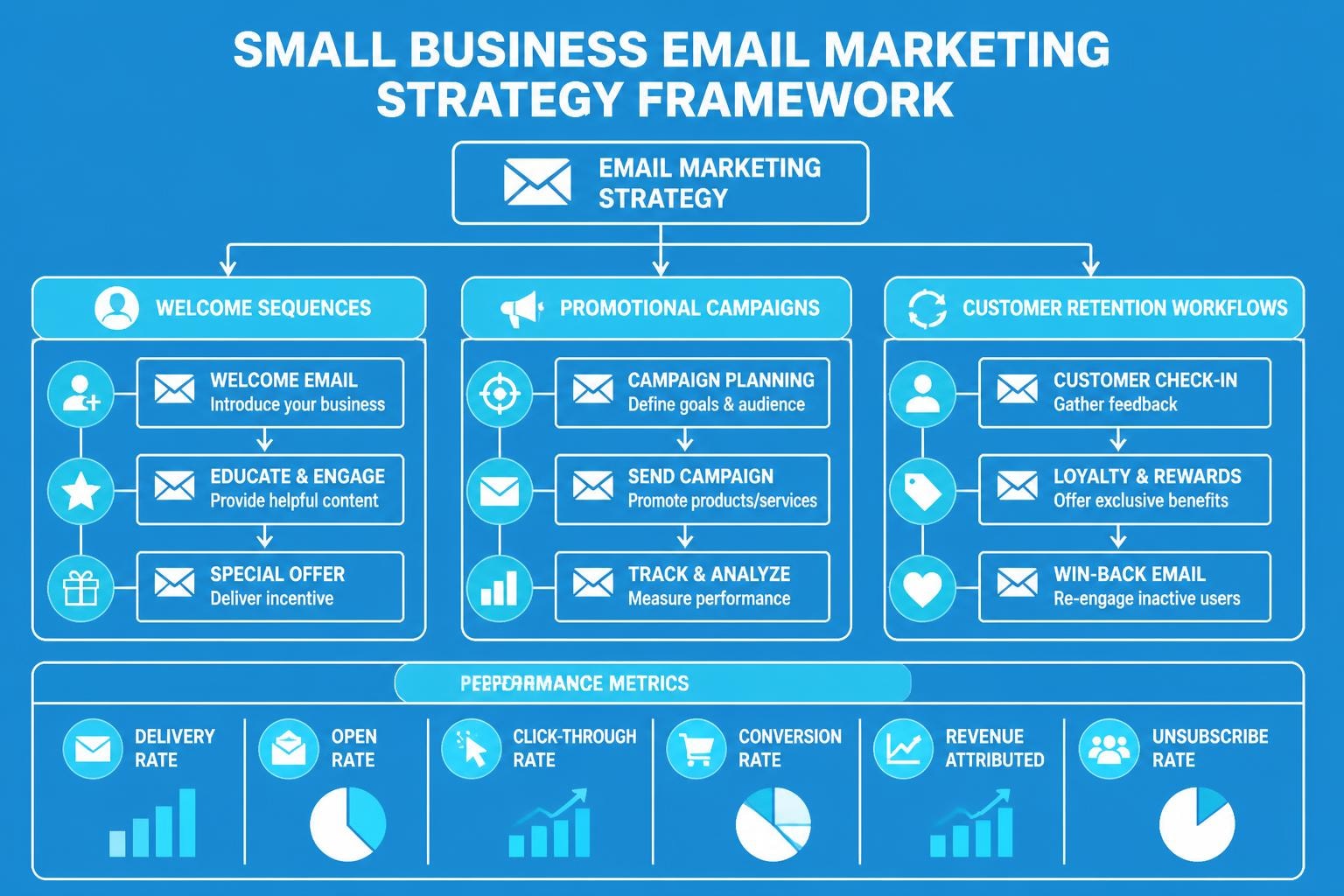
Selecting and implementing the best emails for small business communications can transform your customer relationships and revenue streams. Email marketing consistently delivers exceptional ROI for small businesses, yet many entrepreneurs struggle to identify which email types deserve their limited time and budget. Understanding which emails generate results-and how to craft them effectively-separates thriving businesses from those that watch opportunities slip through their digital fingertips.
Essential Email Types Every Small Business Needs
Small businesses face unique constraints compared to enterprise organisations. Limited budgets, smaller teams, and fierce competition require strategic focus on high-impact email communications.
Welcome Email Series
The welcome email remains the most powerful message in your arsenal. New subscribers are most engaged immediately after signing up, making this the perfect moment to establish your brand relationship. Statistics show welcome emails generate 320% more revenue per email than promotional messages.
Your welcome series should accomplish three objectives:
- Set clear expectations about email frequency and content
- Deliver promised value such as discount codes or exclusive resources
- Guide subscribers toward their first purchase or engagement
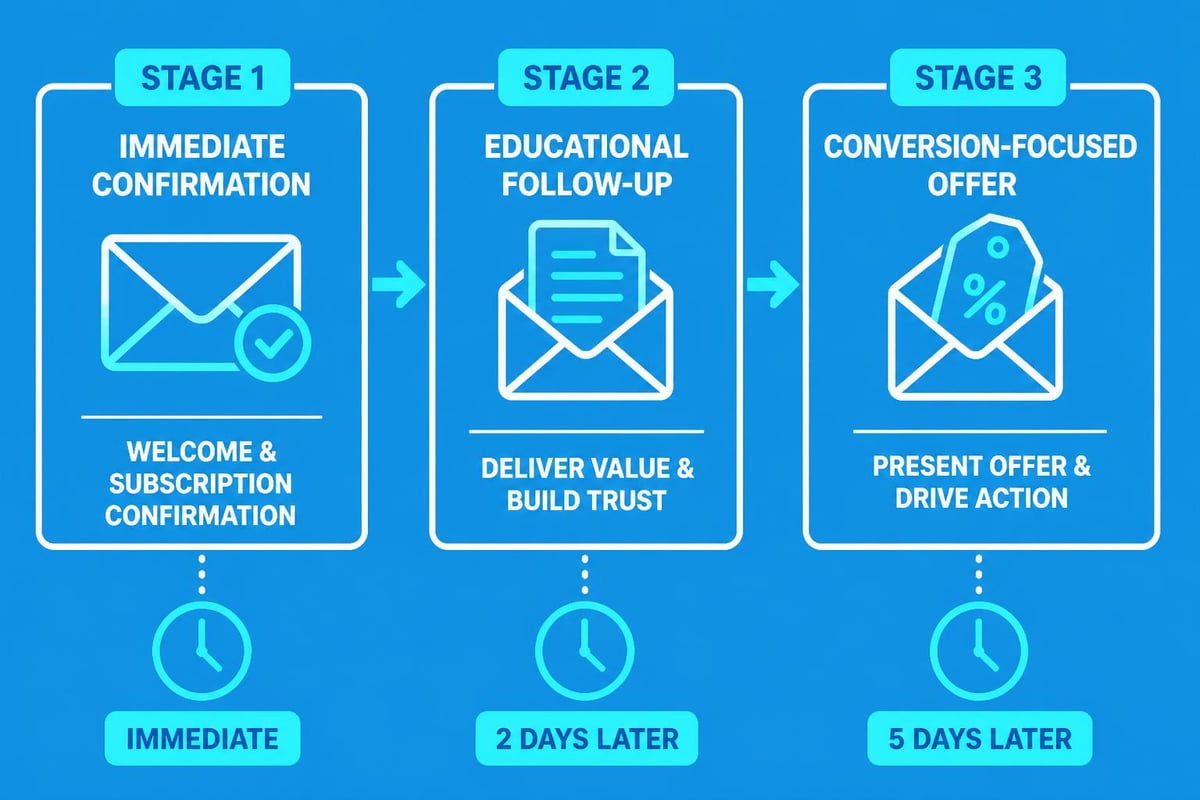
A three-email welcome sequence typically outperforms single messages. The first email arrives immediately upon subscription, the second follows two days later with educational content, and the third appears after five days with a compelling offer.
Promotional Campaigns
Promotional emails drive immediate revenue but require careful balance. When exploring email marketing best practices, businesses discover that excessive promotional content damages list engagement.
Effective promotional emails include:
- Clear, benefit-focused subject lines
- Strong visual hierarchy directing eyes to the offer
- Compelling calls-to-action
- Mobile-responsive design
- Scarcity or urgency elements when genuine
| Promotional Email Type | Best Timing | Expected Open Rate |
|---|---|---|
| Flash Sales | Thursday-Saturday | 18-22% |
| Seasonal Promotions | 2 weeks before event | 15-20% |
| Product Launches | Tuesday-Wednesday | 20-25% |
| Exclusive Member Offers | Mid-month | 22-28% |
The best emails for small business promotions avoid overwhelming recipients. Aim for no more than one promotional email weekly unless you've segmented highly engaged subscribers who appreciate frequent updates.
Transactional Emails That Build Trust
Transactional emails often achieve open rates exceeding 80%, yet many businesses neglect their potential beyond basic functionality.
Order Confirmations and Shipping Updates
These emails reassure customers whilst providing opportunities for additional engagement. Beyond confirming purchases, consider adding personalised product recommendations or loyalty programme information. Understanding how to send an email message that serves both functional and marketing purposes maximises every customer touchpoint.
Essential elements include:
- Order details with clear item descriptions
- Expected delivery timeframe
- Customer service contact information
- Optional: complementary product suggestions
- Optional: referral programme invitation
Account and Password Resets
Security-related emails demand immediate attention whilst building confidence in your brand's professionalism. These messages should prioritise clarity and simplicity, avoiding promotional content that might confuse urgent communications.
Educational and Value-Driven Content
Content-focused emails position your business as a trusted adviser rather than merely a vendor. This approach proves particularly effective for businesses with longer sales cycles or complex products.
Newsletter Campaigns
Regular newsletters maintain brand awareness between purchases. When implementing strategies from comprehensive email marketing guides, businesses find that educational content generates higher long-term customer lifetime value.
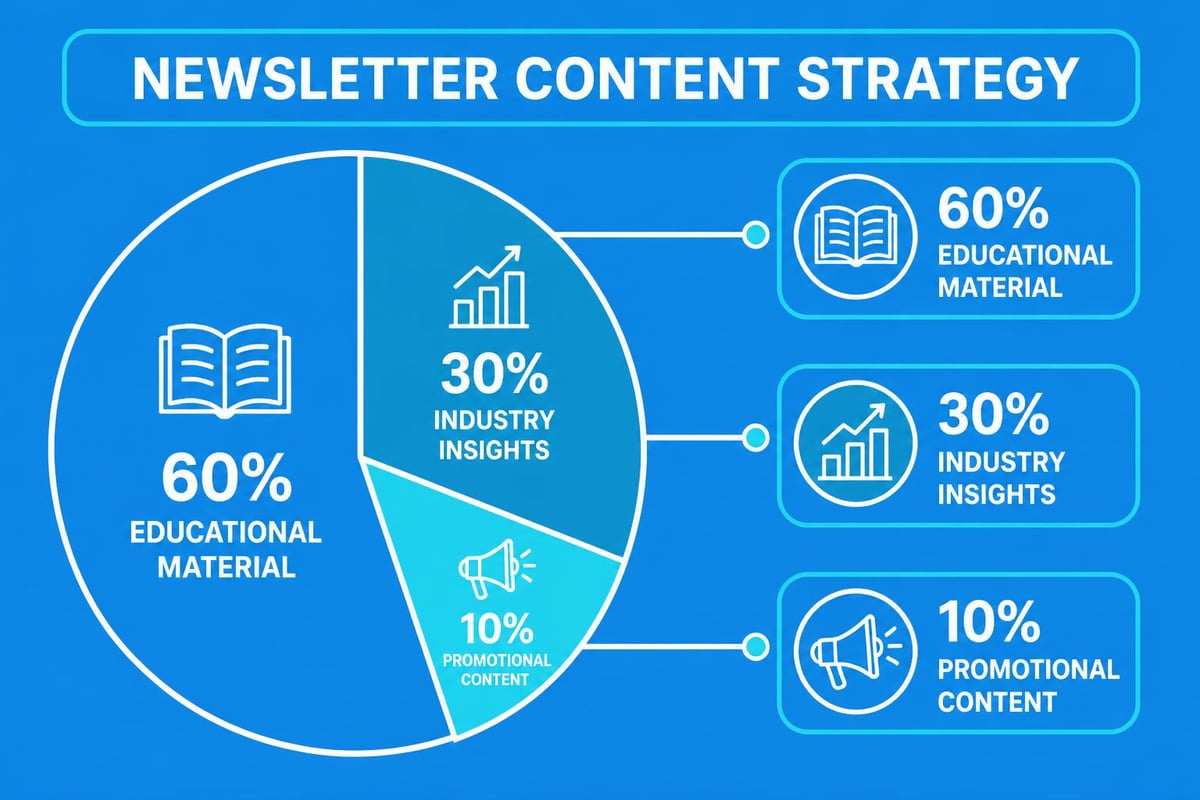
The ideal newsletter balances three content types:
- Educational articles addressing customer pain points
- Industry insights demonstrating expertise
- Subtle product mentions showing practical applications
Consistency matters more than frequency. Whether you send newsletters weekly, fortnightly, or monthly, maintain a predictable schedule that subscribers can anticipate.
How-to Guides and Tutorials
Product-focused educational emails reduce support requests whilst increasing product adoption. Customers who understand your offerings fully are more likely to remain loyal and recommend your business.
| Tutorial Email Focus | Send Timing | Engagement Impact |
|---|---|---|
| Getting Started | Day 1 post-purchase | Reduces returns 35% |
| Advanced Features | Week 2 post-purchase | Increases upgrades 28% |
| Tips and Tricks | Monthly ongoing | Boosts retention 22% |
Abandoned Cart Recovery Sequences
Cart abandonment emails represent the best emails for small business revenue recovery. Approximately 70% of online shopping carts are abandoned, yet a well-crafted recovery sequence can reclaim 15-25% of potentially lost sales.
Timing Your Recovery Emails
The first email should arrive within one hour of abandonment whilst the shopping intent remains fresh. Follow with a second reminder after 24 hours, and consider a final email with a small incentive after 72 hours.
Effective abandoned cart emails feature:
- Subject lines creating urgency without desperation
- Clear images of abandoned products
- Simplified checkout process links
- Trust signals like free returns or customer reviews
- Optional incentives for third emails only
Businesses implementing email automation for small business operations find that automated cart recovery sequences generate revenue whilst team members focus on strategic initiatives.
Re-engagement Campaigns for Inactive Subscribers
List health directly impacts deliverability and engagement metrics. Re-engagement emails help identify subscribers who remain interested versus those requiring removal from your list.
Crafting Win-Back Messages
Inactive subscribers-those who haven't opened emails in 3-6 months-need different messaging than engaged contacts. Win-back emails should acknowledge the silence and offer compelling reasons to re-engage.
Consider these approaches:
- Survey emails asking for feedback
- Special "we miss you" discount offers
- Updated preference centres allowing content customisation
- Final chance notifications before list removal
Removing consistently unengaged subscribers might seem counterintuitive, but smaller, engaged lists outperform large, unresponsive ones. This practice also helps when you need to get a business email address taken seriously by email service providers.
Customer Appreciation and Loyalty Emails
The best emails for small business relationship building often receive the least attention. Customer appreciation messages cost nothing beyond time yet generate substantial goodwill.
Birthday and Anniversary Emails
Personalised milestone emails create emotional connections that transcend transactional relationships. Birthday emails with special offers achieve open rates 45% higher than standard promotional messages.
Implementation tips:
- Collect birth dates during account creation or checkout
- Send emails 1-2 weeks before birthdays allowing ample redemption time
- Offer genuinely valuable rewards, not token gestures
- Celebrate customer anniversaries marking their first purchase
Loyalty Programme Updates
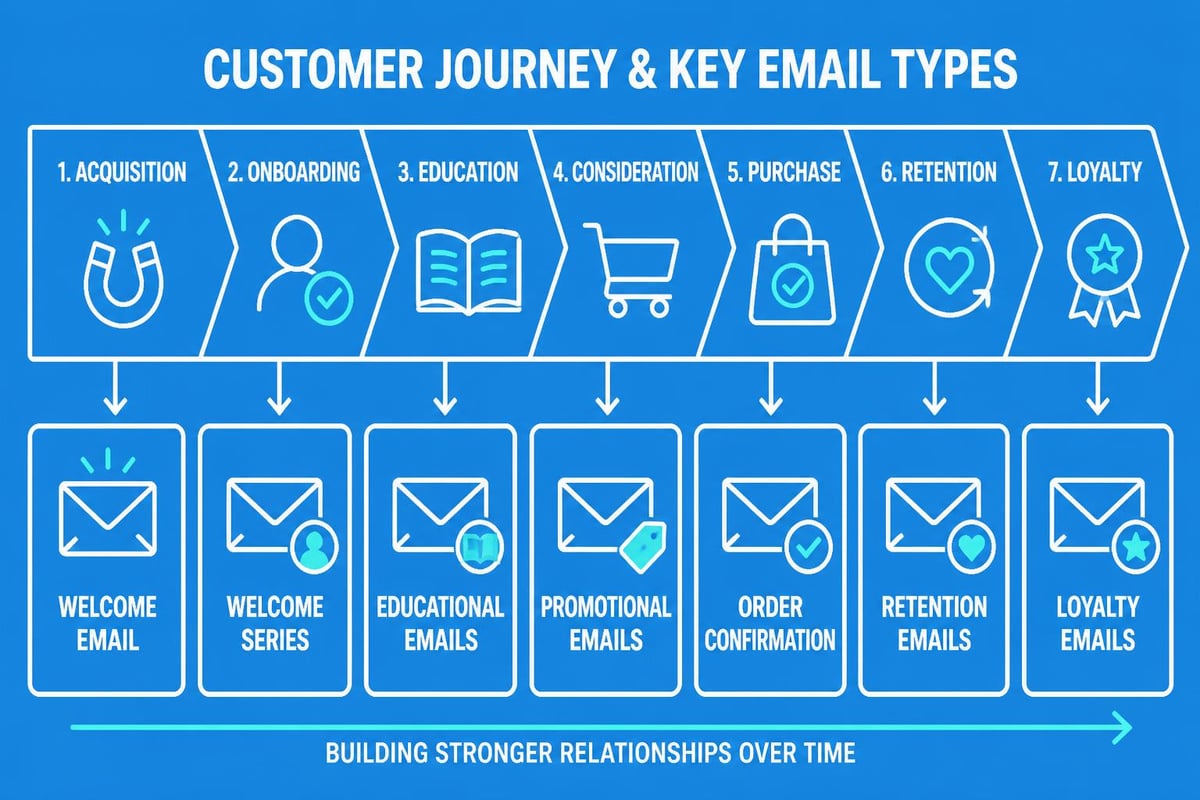
Regular communication with loyalty members reinforces programme value and encourages continued participation. Share points balances, highlight rewards within reach, and showcase exclusive benefits.
Survey and Feedback Requests
Customer feedback provides invaluable insights whilst demonstrating that you value subscriber opinions. However, avoiding common email marketing mistakes requires thoughtful survey deployment.
Post-Purchase Feedback Emails
Send satisfaction surveys 7-14 days after delivery, allowing customers time to experience products thoroughly. Keep surveys brief-3-5 questions maximum-to respect subscribers' time.
Effective survey emails include:
- Clear explanation of survey purpose
- Estimated completion time (under 2 minutes ideal)
- Optional incentive for completion
- Assurance that feedback influences business decisions
- Visual progress indicators within the survey
Net Promoter Score Campaigns
NPS surveys measure customer loyalty through one simple question: "How likely are you to recommend us to a friend?" This metric provides crucial business intelligence whilst identifying potential brand advocates.
Seasonal and Event-Based Campaigns
Strategic timing amplifies email effectiveness. Seasonal campaigns capitalise on existing customer mindsets and buying patterns, making conversion easier than cold outreach.
Holiday Marketing Emails
Major holidays present obvious opportunities, but consider lesser-known occasions relevant to your industry. Pet businesses might leverage National Pet Day, whilst bookshops could highlight World Book Day.
Plan seasonal campaigns at least six weeks in advance, allowing time for:
- Content creation and design
- Segmentation and personalisation
- A/B testing subject lines and offers
- Schedule optimisation across time zones
- Performance monitoring and adjustment
Following guidance from email marketing playbooks helps small businesses compete effectively during high-volume holiday periods.
Segmentation and Personalisation Strategies
Generic mass emails underperform targeted, personalised messages. The best emails for small business campaigns leverage subscriber data to deliver relevant content.
Basic Segmentation Approaches
Even simple segmentation dramatically improves results:
| Segmentation Type | Data Required | Performance Improvement |
|---|---|---|
| Purchase History | Past orders | 25-35% higher CTR |
| Geographic Location | Address/IP data | 18-28% higher open rate |
| Engagement Level | Email activity | 40-50% better conversion |
| Product Interests | Browse/click data | 30-42% higher revenue |
Advanced personalisation extends beyond using subscriber names. Reference past purchases, acknowledge browsing history, and tailor product recommendations to individual preferences.
Behavioural Triggers
Automated emails triggered by specific behaviours convert exceptionally well because they arrive at psychologically opportune moments. Consider triggers like:
- First purchase (thank you and onboarding)
- Multiple views of a product page (interest confirmation)
- Download of a resource (nurturing sequence initiation)
- Category browsing patterns (targeted product suggestions)
Setting up robust professional email systems provides the foundation for sophisticated behavioural tracking and response.
Mobile Optimisation Imperatives
Over 60% of emails are now opened on mobile devices, making mobile optimisation non-negotiable. Emails that display poorly on smartphones frustrate recipients and damage brand perception.
Mobile-Friendly Design Principles
Critical mobile considerations include:
- Single-column layouts that avoid horizontal scrolling
- Minimum 14-point font size for body text
- Large, finger-friendly buttons (minimum 44x44 pixels)
- Compressed images that load quickly
- Preview text that provides context beyond the subject line
Test every email across multiple devices and email clients before sending. What appears perfect on your desktop might render illegibly on a smartphone screen. Resources on email marketing for small businesses emphasise mobile testing as fundamental rather than optional.
Measuring Email Performance and Optimisation
The best emails for small business success require continuous refinement based on performance data. Tracking key metrics transforms email marketing from guesswork into strategic science.
Essential Email Metrics
Monitor these core indicators:
- Open Rate – Percentage of recipients who open your email
- Click-Through Rate – Percentage who click links within the email
- Conversion Rate – Percentage who complete desired actions
- Unsubscribe Rate – Percentage who opt out after receiving the email
- Revenue Per Email – Total revenue generated divided by emails sent
Many businesses struggle with tracking ROI in email marketing, missing opportunities to optimise campaigns and demonstrate marketing value.
A/B Testing Strategies
Systematic testing reveals what resonates with your specific audience. Test one variable at a time:
- Subject line variations
- Send time differences
- Call-to-action button colours or text
- Email length (short versus detailed)
- Personalisation elements
Run tests with statistically significant sample sizes-typically at least 1,000 recipients per variation-before drawing conclusions.
Compliance and Deliverability Best Practices
Technical excellence matters little if emails never reach subscriber inboxes. Maintaining strong deliverability requires attention to both legal compliance and technical infrastructure.
Legal Requirements
Familiarise yourself with regulations including GDPR, CAN-SPAM, and PECR. Essential compliance elements include:
- Clear, functional unsubscribe mechanisms
- Accurate sender information
- Honest, non-deceptive subject lines
- Physical business address in email footer
- Consent documentation for subscription
Establishing proper processes when you set up a business email ensures compliance from the foundation.
Technical Deliverability Factors
Beyond legal compliance, technical factors influence whether emails reach inboxes:
| Deliverability Factor | Impact | Optimisation Approach |
|---|---|---|
| Sender Reputation | High | Consistent sending patterns, low complaint rates |
| Authentication (SPF, DKIM) | High | Proper DNS configuration |
| List Quality | Very High | Regular cleaning, confirmed opt-in |
| Engagement Rates | Very High | Relevant content, proper segmentation |
| Spam Complaints | Very High | Clear expectations, easy unsubscribe |
Automation Workflows That Scale
Email automation allows small businesses to maintain personal communication at scale. The best emails for small business automation balance efficiency with authentic relationship building.
Essential Automated Sequences
Priority automation workflows include:
- Welcome series for new subscribers
- Onboarding sequences for new customers
- Cart abandonment recovery
- Post-purchase follow-up
- Re-engagement campaigns for inactive contacts
- Birthday and anniversary messages
Start with one or two workflows, perfect them, then gradually expand your automation library. Quality execution of few sequences outperforms mediocre implementation of many.
When developing automated workflows, understanding how to effectively send out emails at optimal times enhances automation performance.
Implementing the best emails for small business success requires strategic planning, consistent execution, and ongoing optimisation. By focusing on high-impact email types-from welcome sequences and promotional campaigns to re-engagement messages and loyalty communications-small businesses build stronger customer relationships whilst driving measurable revenue growth. Whether you're just establishing your email marketing foundation or refining existing campaigns, Astonish Email provides the tools and support small businesses need to execute professional email marketing that delivers results.