Email for Small Business Free: Complete 2026 Guide
April 23, 2026
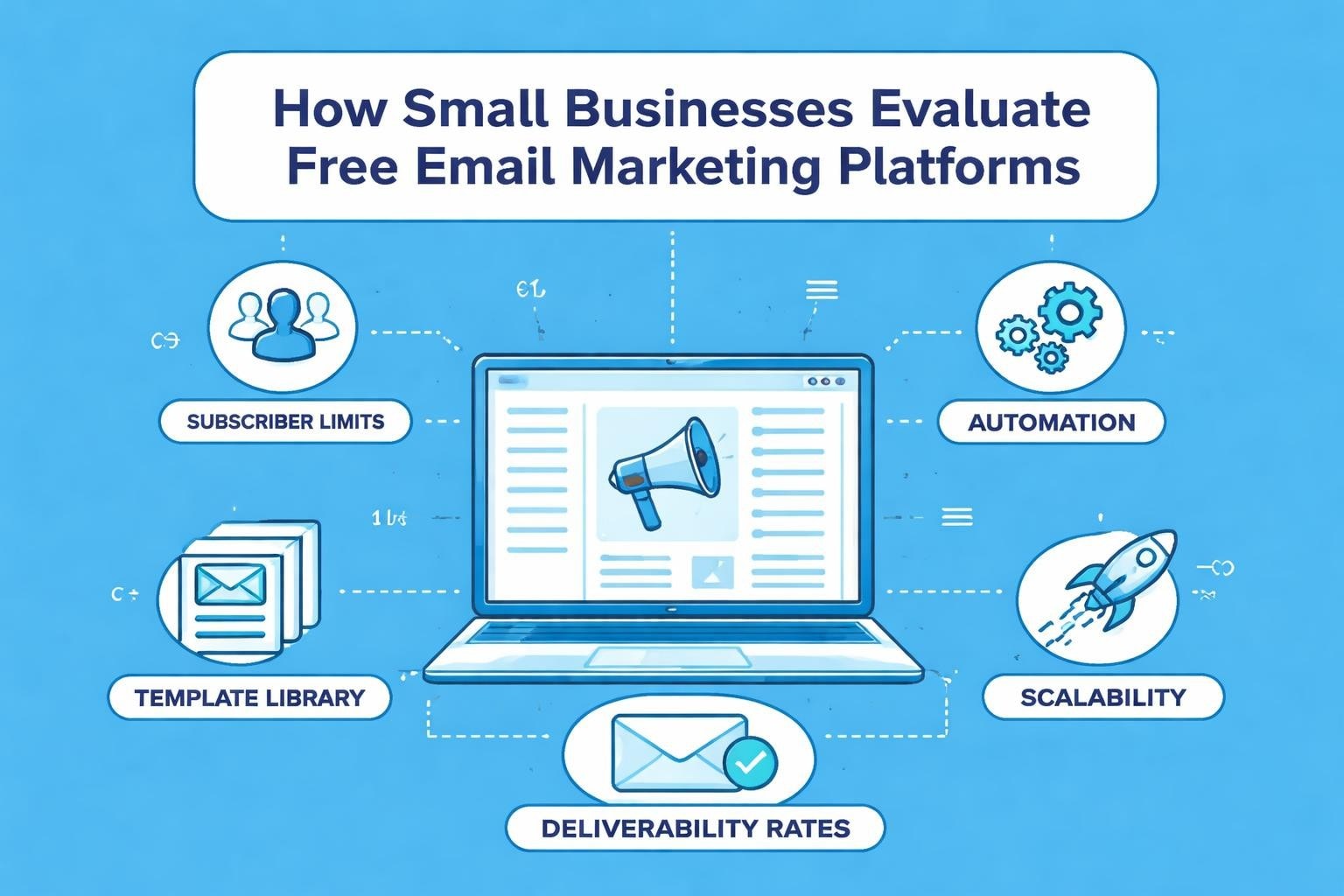
Finding the right email for small business free solutions has become increasingly important for entrepreneurs and startups working with limited budgets in 2026. The email marketing landscape offers numerous free options, each with distinct features, limitations, and growth potential. Understanding which platform aligns with your business objectives whilst maintaining professional standards can significantly impact customer engagement and revenue generation.
Understanding Free Email Marketing Platforms
Email marketing remains one of the most cost-effective channels for small businesses, delivering an average return of £36 for every pound spent. Free platforms provide entry-level access to sophisticated marketing tools that were once exclusive to enterprise-level organisations.
When evaluating email for small business free platforms, several core features distinguish professional solutions from basic offerings. Most reputable providers include drag-and-drop email builders, pre-designed templates, basic automation workflows, and contact management systems within their free tiers.
Key Features to Prioritise
The most valuable components of free email marketing platforms extend beyond simple message delivery:
- Contact list management with segmentation capabilities
- Template libraries featuring mobile-responsive designs
- Basic automation including welcome sequences and autoresponders
- Analytics dashboards tracking open rates, click-through rates, and conversions
- Deliverability infrastructure ensuring messages reach inboxes rather than spam folders
Many small businesses overlook deliverability when selecting free platforms. However, hidden costs of free email services often include poor sender reputation and inconsistent delivery rates that damage long-term marketing effectiveness.
Limitations of Free Email Marketing Services
Whilst email for small business free platforms provide substantial value, understanding their constraints helps businesses plan for growth and avoid operational disruptions.
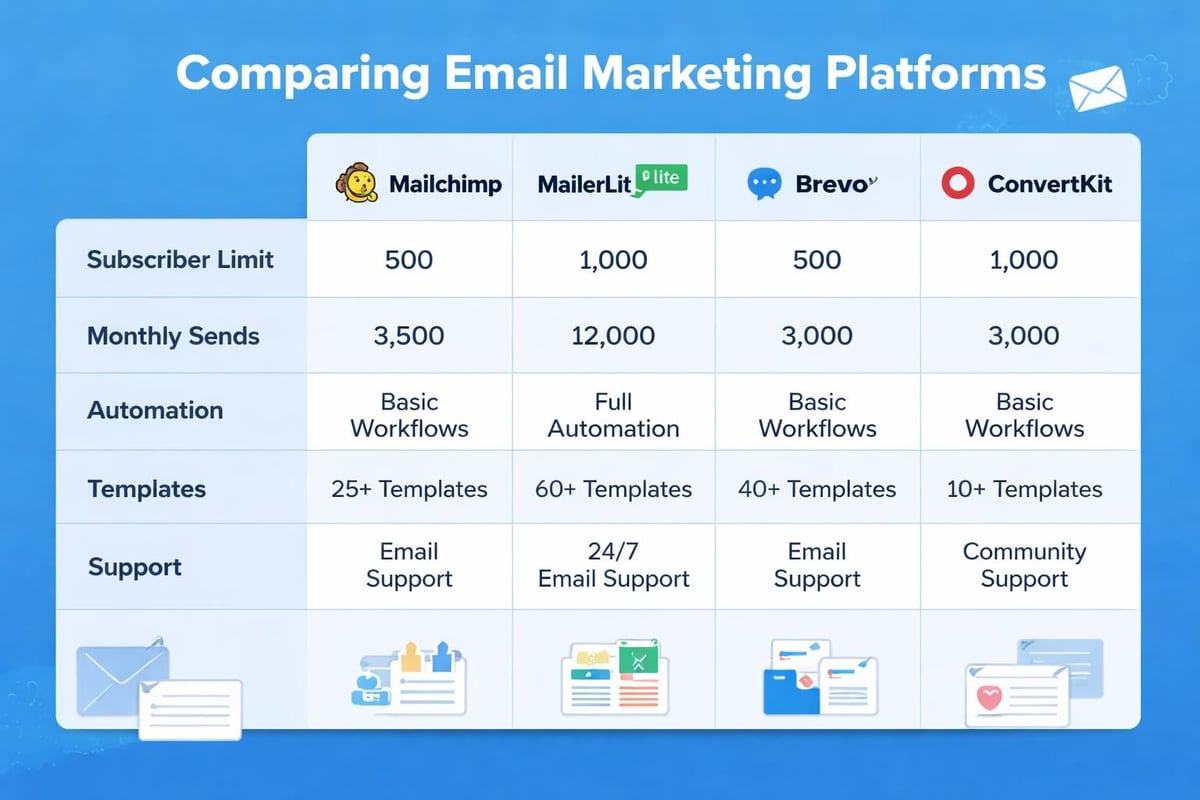
Most free tiers impose strict subscriber limits, typically ranging from 250 to 2,000 contacts. These restrictions create natural growth ceilings that require businesses to upgrade as their audience expands. Monthly sending limits present another common constraint, with platforms capping messages between 1,000 and 15,000 emails per month.
| Platform Feature | Typical Free Tier | Premium Tier |
|---|---|---|
| Subscriber Limit | 500-2,000 | Unlimited |
| Monthly Sends | 2,500-15,000 | Unlimited |
| Automation Workflows | 1-3 basic | Advanced sequences |
| Support Access | Email only | Phone & priority |
| Branding Removal | Platform logo included | Custom branding |
Feature restrictions extend beyond volume limitations. Free accounts typically lack advanced segmentation, A/B testing capabilities, and sophisticated automation workflows that drive higher engagement rates.
Branding and Professional Considerations
Free email platforms commonly insert their branding into message footers, potentially undermining your professional image. Whilst this trade-off may seem minor initially, it signals to recipients that your business operates on limited resources.
The absence of custom domains in some free tiers presents another professionalism concern. Sending campaigns from generic email addresses rather than branded domains reduces trust and recognition amongst recipients.
Top Free Email Marketing Platforms for 2026
Several established platforms offer genuinely useful email for small business free tiers that support effective marketing campaigns without immediate financial commitment.
Brevo's comprehensive free tier accommodates unlimited contacts whilst limiting daily sends to 300 messages. This structure suits businesses prioritising list growth over high-volume campaigns, particularly those establishing initial customer relationships.
Platform Comparison and Selection Criteria
GetResponse provides robust features within its free plan, including landing pages and basic automation. The platform's 500-contact limit and 2,500 monthly sends create a balanced offering for businesses testing email marketing strategies before committing to paid solutions.
When selecting platforms, evaluate alignment between free tier limitations and your current business scale. A company with 100 customers sending weekly newsletters requires different capabilities than one building an audience through daily engagement.
Selection considerations include:
- Current subscriber count and six-month growth projections
- Anticipated email frequency and campaign volume
- Required automation complexity for customer journeys
- Integration needs with existing business tools
- Technical support requirements during implementation
For businesses exploring integrated solutions, understanding how email fits within broader digital strategies helps identify platforms offering complementary services like website building options or customer relationship management.
Building Your Email List on Free Platforms
Acquiring subscribers represents the foundation of successful email marketing, regardless of platform choice. Free email for small business platforms provide tools for list building, but strategy determines growth velocity and quality.
Lead magnets remain the most effective subscriber acquisition method in 2026. Offering valuable resources like guides, templates, checklists, or exclusive discounts in exchange for email addresses creates immediate value propositions that encourage sign-ups.
Optimising Sign-Up Forms
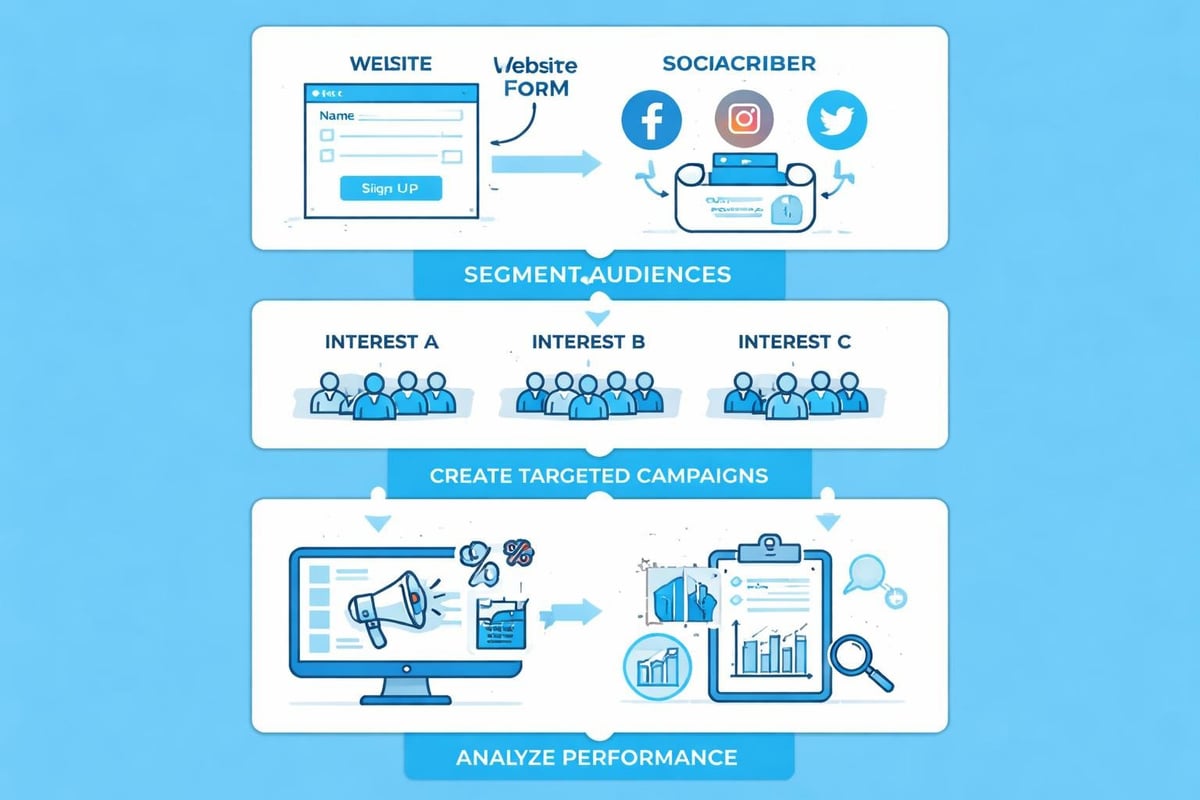
Strategic form placement dramatically impacts conversion rates. Embedding sign-up forms in high-traffic website locations, including homepage headers, blog post conclusions, and exit-intent popups, captures visitors at peak engagement moments.
Form design simplicity correlates directly with conversion performance. Requesting only essential information (typically name and email address) reduces friction and abandonment rates. Additional data collection can occur through progressive profiling during subsequent interactions.
Effective list-building channels include:
- Website embedded forms and landing pages
- Social media profile links and post promotions
- In-person events with tablet-based sign-ups
- Checkout processes for e-commerce businesses
- Content upgrades within blog articles
Businesses establishing their email presence should explore creating professional email addresses that enhance credibility and trust throughout subscriber acquisition efforts.
Crafting Effective Campaigns Within Free Tier Constraints
Maximising email for small business free platform capabilities requires strategic campaign planning that prioritises quality over quantity. Limited monthly sends demand focused messaging that delivers genuine value to recipients.
Segmentation transforms generic broadcasts into relevant communications, even with basic free tier tools. Dividing subscribers by purchase history, engagement levels, or demographic characteristics enables targeted messaging that improves open rates and conversions.
Content Strategy and Frequency
Establishing consistent sending schedules builds subscriber expectations and maintains top-of-mind awareness. Whether weekly newsletters or monthly updates, regularity matters more than frequency when working within volume constraints.
Email content should balance promotional messages with educational and entertaining material. The 80/20 rule suggests that 80% of communications should provide value through tips, insights, or stories, whilst 20% can include direct sales messages.
| Content Type | Purpose | Recommended Frequency |
|---|---|---|
| Newsletter | Maintain engagement | Weekly or bi-weekly |
| Promotional | Drive sales | Monthly or seasonal |
| Educational | Build authority | Weekly |
| Transactional | Confirm actions | As needed |
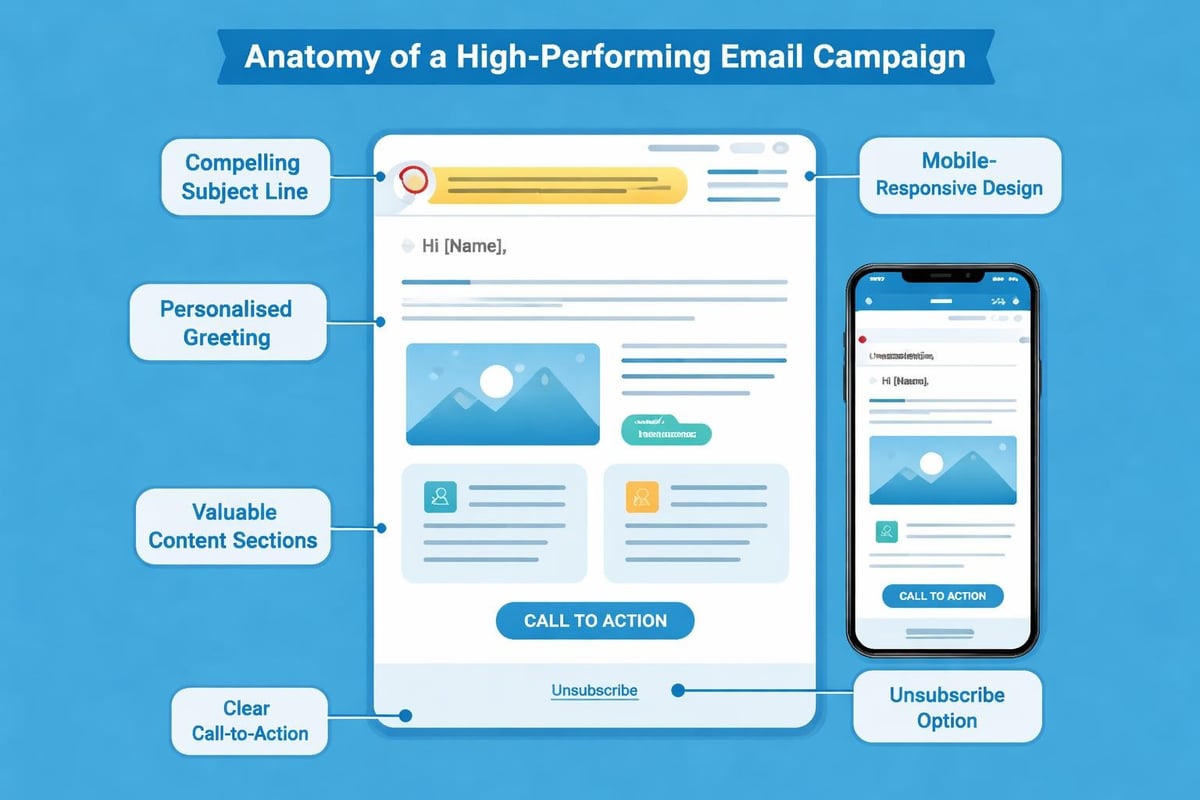
Personalisation extends beyond inserting first names into subject lines. Tailoring content based on subscriber interests, previous purchases, or engagement patterns creates relevance that drives action.
For businesses developing their approach, understanding how to effectively plan email campaigns establishes foundations for sustainable growth and engagement.
Automation Capabilities on Free Plans
Marketing automation represents one of the most powerful features available on email for small business free platforms, enabling businesses to maintain consistent communication without manual intervention.
Welcome sequences introduce new subscribers to your brand, products, and values through automated email series triggered by sign-ups. These foundational workflows typically yield higher engagement rates than general broadcasts because they reach subscribers at peak interest moments.
Essential Automation Workflows
Even basic free tiers support several high-impact automation types that nurture relationships and drive conversions:
- Welcome series introducing brand values and key offerings
- Abandoned cart recovery reminding customers of incomplete purchases
- Post-purchase follow-ups requesting reviews and suggesting complementary products
- Re-engagement campaigns targeting inactive subscribers
- Birthday or anniversary messages adding personalised touchpoints
Automation strategy should reflect customer journey mapping, identifying key moments where timely, relevant communication influences decisions. A new subscriber might receive a welcome email immediately, followed by educational content over subsequent days, then promotional offers once familiarity develops.
Businesses exploring automation should consider setting up business email systems that integrate seamlessly with marketing platforms for cohesive customer experiences.
Analytics and Performance Tracking
Data-driven decision-making separates successful email marketing from ineffective broadcasting. Free email for small business platforms provide essential analytics that illuminate campaign performance and audience preferences.
Core metrics including open rates, click-through rates, and unsubscribe rates reveal how recipients engage with your content. Industry benchmark comparisons help contextualise performance, with average open rates across sectors ranging from 15% to 25% in 2026.
Interpreting Email Metrics
Open rates indicate subject line effectiveness and sender reputation. Declining open rates might signal list fatigue, irrelevant content, or deliverability issues requiring immediate attention.
Click-through rates measure content relevance and call-to-action effectiveness. Strong open rates paired with weak click-through rates suggest compelling subject lines but disappointing content that fails to deliver promised value.
Conversion rates represent the ultimate success metric, tracking how many recipients complete desired actions like purchases, downloads, or registrations. This metric directly connects email marketing to business objectives and revenue generation.
A/B testing, available on some free platforms, enables systematic improvement through controlled experiments. Testing variables like subject lines, send times, or content formats reveals audience preferences that inform future campaign development.
Deliverability Best Practices
Reaching subscriber inboxes rather than spam folders determines email marketing success regardless of platform sophistication. Free email for small business platforms share infrastructure with thousands of other senders, making individual sender behaviour crucial for collective deliverability.
List hygiene practices protect sender reputation and improve engagement metrics. Regularly removing inactive subscribers, validating email addresses at collection, and honouring unsubscribe requests immediately maintain list quality and compliance with regulations.
Technical Deliverability Factors
Authentication protocols including SPF, DKIM, and DMARC verify sender legitimacy to receiving mail servers. Whilst technical in nature, these configurations significantly impact whether messages reach inboxes or get filtered as spam.
Deliverability best practices include:
- Maintaining spam complaint rates below 0.1%
- Achieving engagement rates above industry benchmarks
- Authenticating sending domains properly
- Avoiding spam trigger words in subject lines
- Sending from consistent, recognisable addresses
- Warming up new sender reputations gradually
Content quality directly influences deliverability. Emails triggering spam filters through excessive capitalisation, misleading subject lines, or suspicious links damage sender reputation and reduce future delivery rates.
Understanding business email best practices helps businesses maintain professional standards that support both deliverability and brand perception.
Scaling Beyond Free Tiers
Every growing business eventually confronts free platform limitations. Recognising optimal upgrade timing prevents disruptions whilst maximising free tier value during early stages.
Subscriber growth represents the most obvious upgrade trigger. Approaching contact limits requires either culling inactive subscribers (potentially losing future engagement opportunities) or expanding to paid tiers that accommodate larger audiences.
Indicators for Upgrading
Campaign sophistication needs often outpace volume constraints. Businesses requiring advanced segmentation, multivariate testing, or complex automation workflows find free tier limitations restrictive as marketing strategies mature.
Upgrade decision factors include:
- Reaching 70-80% of subscriber limits
- Requiring features unavailable on free tiers
- Needing priority customer support
- Desiring custom branding removal
- Expanding to additional marketing channels
Budget allocation for email marketing should reflect its revenue contribution. Platforms generating positive ROI justify investment in enhanced capabilities that amplify results.
Many businesses explore affordable business email solutions that balance professional features with budget constraints during transition phases between free and premium tiers.
Integration and Ecosystem Considerations
Email for small business free platforms function most effectively when integrated within broader marketing technology ecosystems. Seamless data flow between systems eliminates manual tasks and creates unified customer experiences.
E-commerce platform integrations synchronise purchase data, enabling automated campaigns based on customer behaviour. CRM connections ensure sales teams access email engagement insights that inform outreach timing and messaging.
| Integration Type | Business Benefit | Common Platforms |
|---|---|---|
| E-commerce | Automated product recommendations | Shopify, WooCommerce |
| CRM | Unified customer profiles | HubSpot, Salesforce |
| Analytics | Comprehensive attribution | Google Analytics |
| Social Media | Cross-channel campaigns | Facebook, Instagram |
| Webinar | Event-triggered sequences | Zoom, WebinarJam |
API access limitations on free tiers may restrict integration possibilities. Businesses dependent on specific tool connectivity should verify integration availability before committing to platforms.
For companies managing multiple business systems, exploring comprehensive email solutions that offer native integrations reduces technical complexity and improves operational efficiency.
Compliance and Legal Considerations
Email marketing regulations including GDPR, CAN-SPAM, and PECR impose specific requirements on businesses regardless of platform choice. Free email for small business platforms typically provide compliance tools, but ultimate responsibility rests with senders.
Explicit consent requirements under GDPR mandate that European subscribers actively opt into communications. Pre-checked boxes, assumed consent, or purchased lists violate regulations and expose businesses to substantial fines.
Essential Compliance Elements
Every marketing email must include clear unsubscribe mechanisms that process requests immediately. Delayed or complicated opt-out processes frustrate recipients and breach legal requirements.
Compliance checklist includes:
- Documented consent for all subscribers
- Clear sender identification in every message
- Functional unsubscribe links in footers
- Privacy policy accessibility
- Data processing transparency
- Prompt opt-out request fulfilment
Businesses collecting email addresses should implement proper data retention policies and maintain antispam practices that protect both legal compliance and sender reputation.
Mobile Optimisation Imperatives
Mobile devices account for approximately 60% of email opens in 2026, making responsive design non-negotiable for effective campaigns. Free email for small business platforms universally provide mobile-optimised templates, but execution quality varies significantly.
Preview testing across devices and email clients identifies rendering issues before campaigns reach subscribers. Design elements that display perfectly on desktop may break or become illegible on smaller screens without proper optimisation.
Mobile Design Best Practices
Single-column layouts adapt most reliably across screen sizes compared to complex multi-column designs. Generous spacing between clickable elements prevents accidental taps and reduces user frustration.
Font sizes below 14 pixels strain mobile readability. Subject lines exceeding 40 characters often truncate on mobile displays, burying key messages that drive opens.
Mobile optimisation priorities:
- Responsive template selection
- Large, tappable call-to-action buttons
- Concise subject lines under 40 characters
- Minimal image reliance for key messages
- Fast-loading content and compressed images
Testing emails on actual devices provides more reliable insights than desktop preview tools. Small business owners should send test campaigns to personal devices representing common subscriber configurations.
Content Creation Resources
Consistent email marketing demands regular content creation, which challenges time-constrained small business owners. Free email for small business platforms offer template libraries that accelerate production whilst maintaining professional appearance.
User-generated content, including customer testimonials and social media posts, provides authentic material that resonates with audiences whilst reducing creation burden. Curated industry news and insights position businesses as knowledgeable authorities without requiring original research.
Efficient Content Development
Repurposing existing content across channels maximises creation effort. Blog posts become newsletter features, product descriptions transform into promotional emails, and event recaps serve as engagement touchpoints.
Content efficiency strategies include:
- Creating email templates for recurring campaign types
- Scheduling content creation batches monthly
- Repurposing blog posts and social content
- Curating third-party resources with commentary
- Building swipe files of effective email examples
Businesses developing their content approach should explore professional email creation techniques that balance quality with sustainable production schedules.
Support and Learning Resources
Mastering email marketing requires ongoing education as platforms evolve and best practices develop. Free email for small business platforms vary dramatically in support quality, with some offering only knowledge base access whilst others provide email or chat assistance.
Self-service resources including video tutorials, documentation, and community forums enable independent problem-solving without relying on customer service availability. Active user communities often provide faster, more practical guidance than official support channels.
Building Email Marketing Expertise
Industry blogs, podcasts, and webinars offer continuous learning opportunities that keep skills current. Following platform-specific resources ensures awareness of new features and optimisation techniques.
Experimentation drives practical learning more effectively than passive content consumption. Testing different subject lines, send times, and content formats reveals audience-specific preferences that generic advice cannot address.
Starting with foundational knowledge through resources like getting started with email marketing establishes core competencies that support increasingly sophisticated strategy development.
Selecting the right email for small business free platform requires balancing current needs against future growth whilst maintaining professional standards and legal compliance. The free tiers available in 2026 provide genuine value for small businesses, enabling sophisticated marketing campaigns without immediate financial commitment. As your business scales and email marketing delivers measurable results, transitioning to more robust solutions becomes a natural progression. Astonish Email specialises in email marketing solutions designed specifically for small businesses, offering the features and support you need to grow your audience and drive revenue through effective email campaigns.