Email Free Use: Best Practices for Small Businesses
May 26, 2026
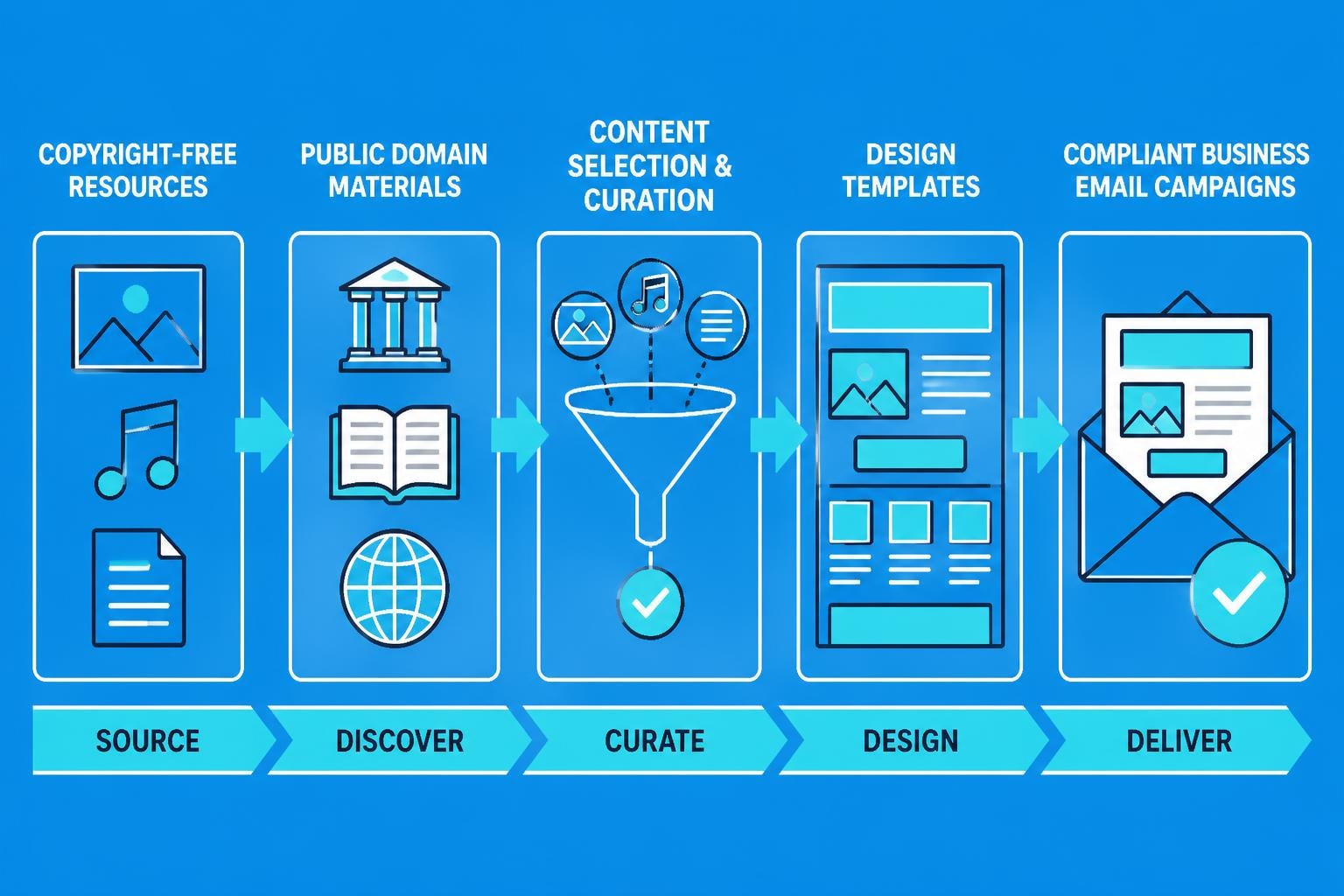
Understanding email free use is essential for small businesses navigating the complexities of digital marketing in 2026. The concept encompasses everything from copyright considerations and royalty-free resources to building compliant email campaigns that respect intellectual property rights whilst maximising engagement. For businesses using platforms like Astonish Email, mastering these principles ensures your marketing efforts remain both effective and legally sound.
Understanding Email Free Use in Marketing Context
Email free use refers to the legitimate utilisation of content, images, and resources within email marketing campaigns without infringing copyright or requiring additional permissions. This practice has become increasingly important as businesses seek to create compelling email content whilst managing tight budgets and avoiding legal complications.
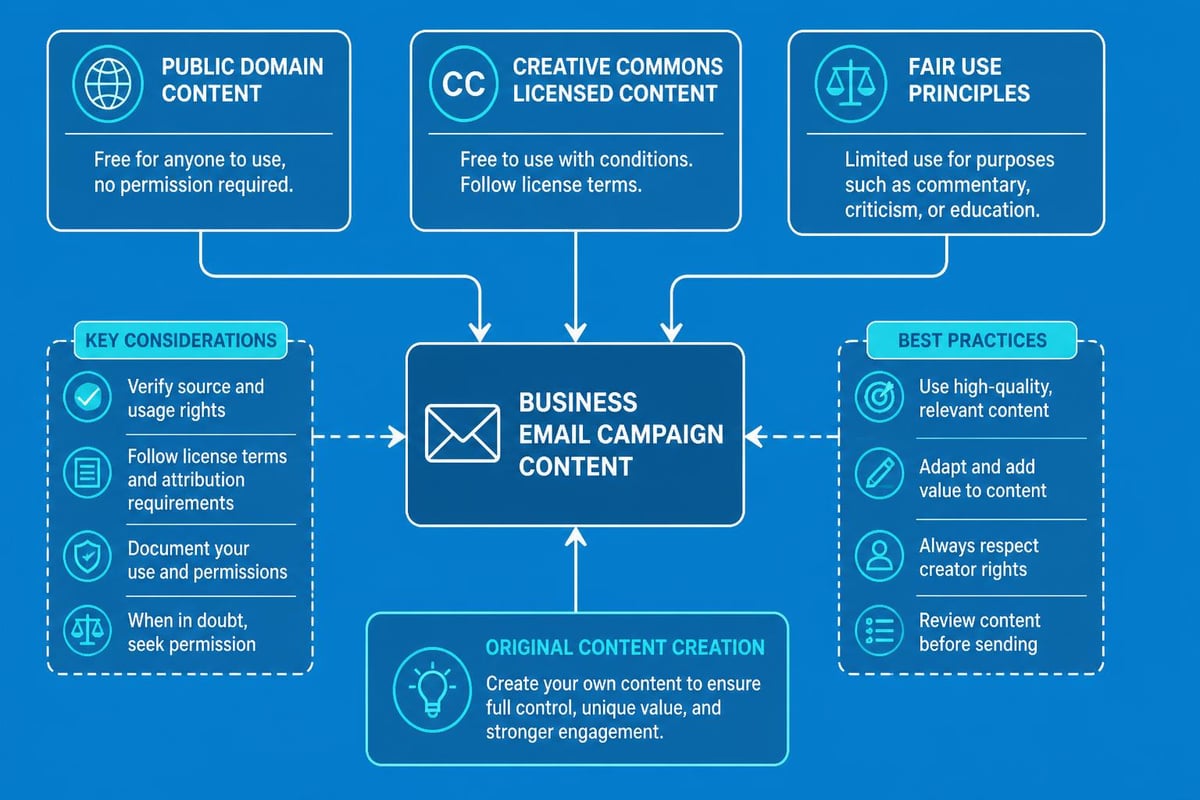
The foundation of email free use rests on three primary pillars: understanding copyright law and fair use principles, accessing genuinely free resources, and implementing proper attribution practices. Small businesses must navigate these areas carefully to build sustainable email marketing strategies.
Key components of email free use include:
- Public domain resources that require no permissions
- Creative Commons licensed materials with clear usage terms
- Fair use applications in specific marketing contexts
- Royalty-free stock images and templates
- Original content creation and ownership rights
When businesses implement email free use correctly, they gain access to vast resources whilst protecting themselves from copyright claims and financial penalties. The approach requires diligence but offers substantial benefits for companies operating within budget constraints.
Building Your Email Content Library Legally
Creating a robust library of reusable email assets represents a strategic advantage for small businesses. The process begins with identifying trustworthy sources of free-to-use materials that align with your brand identity and marketing objectives.
Sourcing Copyright-Free Images and Graphics
Visual content drives email engagement, yet many businesses struggle to source appropriate imagery without budget constraints. Understanding works in the public domain provides access to millions of images, illustrations, and graphics that require no licensing fees.
Public domain resources include works where copyright has expired, government-produced materials, and content explicitly released by creators. Platforms offering these resources have proliferated, making it easier than ever to locate high-quality visuals for email campaigns.
| Resource Type | Common Sources | Attribution Required | Commercial Use |
|---|---|---|---|
| Public Domain Images | Government archives, historical collections | No | Yes |
| Creative Commons (CC0) | Unsplash, Pixabay, Pexels | No | Yes |
| Creative Commons (BY) | Flickr, Wikimedia Commons | Yes | Varies |
| Proprietary Free Tier | Canva, Adobe Express | Check terms | Limited |
When selecting images for your business email campaigns, consistency matters as much as legality. Establishing a visual style guide using freely available resources ensures brand coherence across all communications.
Text and Copy Considerations
Written content in email marketing requires equal attention to copyright concerns. Whilst you cannot typically use others' marketing copy verbatim, email free use principles allow for inspiration and reference when creating original content.
Template frameworks and structural approaches generally fall outside copyright protection, enabling businesses to study successful campaigns and adapt proven formats. The distinction lies between copying specific language and utilising tested structural patterns.
Small businesses benefit from developing reusable email templates that incorporate their unique voice whilst following best practices. This approach aligns with effective email design principles whilst maintaining originality and legal compliance.
Compliance and Best Practices for Email Free Use
Beyond copyright considerations, email free use encompasses regulatory compliance that protects both businesses and recipients. The CAN-SPAM Act, GDPR, and UK-specific regulations establish frameworks that govern commercial email communications.
Regulatory Requirements and Permission-Based Marketing
Permission-based marketing forms the cornerstone of compliant email free use strategies. Building lists through legitimate means-website opt-ins, purchase confirmations, and explicit consent-ensures your database comprises engaged recipients who welcome your communications.
The practice of email address harvesting raises significant legal and ethical concerns. Purchased lists, scraped contacts, and unauthorised collection methods violate anti-spam legislation and damage sender reputation.
Essential compliance elements include:
- Clear opt-in processes with transparent data usage explanations
- Prominent unsubscribe mechanisms in every email
- Accurate sender identification and physical address display
- Honest subject lines that reflect email content
- Prompt processing of unsubscribe requests
Understanding email privacy concerns helps businesses respect recipient rights whilst maintaining effective communication channels. This balance proves essential for long-term email marketing success.
Technical Implementation and Deliverability
Email free use extends to technical implementation, where businesses must navigate deliverability challenges without resorting to questionable practices. Implementing proper email deliverability best practices ensures messages reach intended recipients.
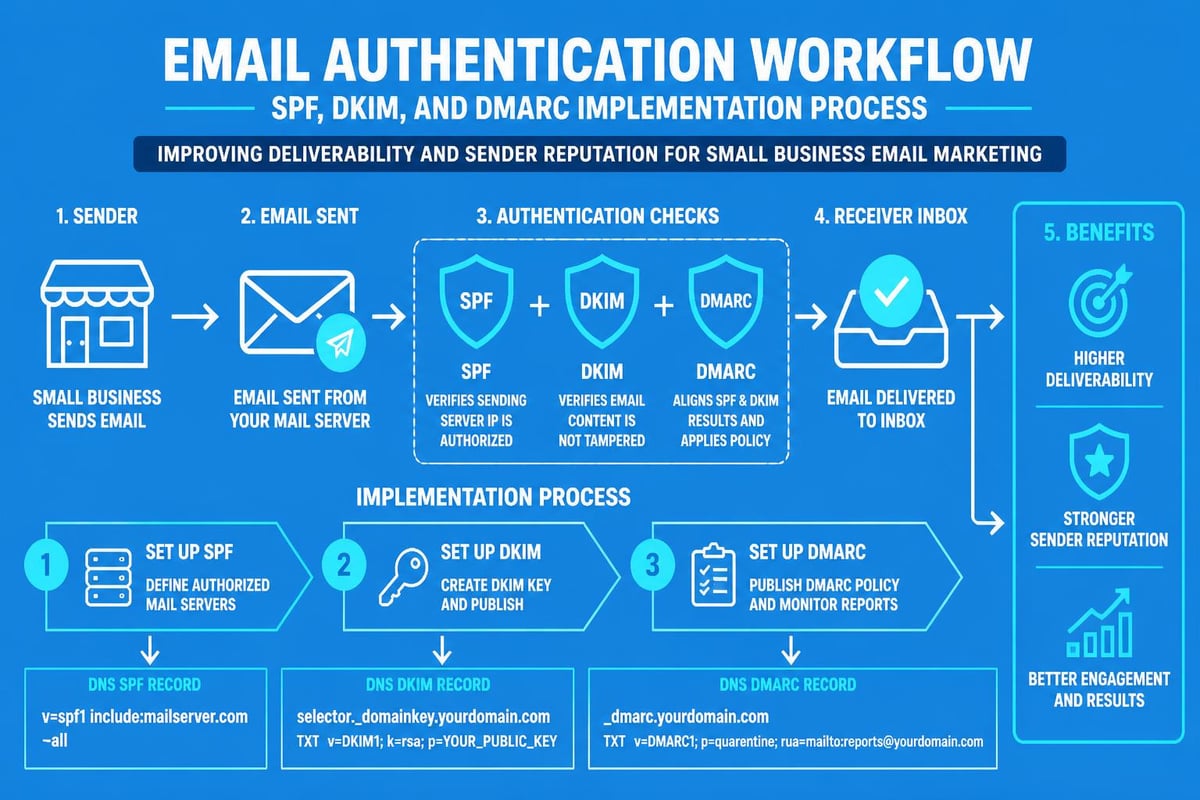
Authentication protocols like SPF, DKIM, and DMARC represent freely available technologies that dramatically improve delivery rates. These standards verify sender identity and prevent spoofing, building trust with email service providers and recipients alike.
When configuring your email system, proper technical setup eliminates many common deliverability issues. Small businesses often overlook these foundational elements, resulting in campaigns that never reach subscriber inboxes.
Design and Template Resources for Free Use
Email design significantly impacts campaign performance, yet professional design services often exceed small business budgets. Fortunately, email free use principles extend to design resources and templates that enable professional-looking campaigns.
Accessing and Customising Free Email Templates
Numerous platforms offer email templates under various licensing arrangements. Understanding these licenses ensures proper usage whilst avoiding future complications. Template marketplaces, SaaS platforms, and open-source repositories provide thousands of options.
When evaluating templates for email free use, examine licensing terms carefully. Some free templates permit commercial use with attribution, whilst others restrict usage or require payment for commercial applications. Reading the fine print prevents misunderstandings.
Customisation transforms generic templates into brand-specific assets. Modifying colours, fonts, layouts, and imagery creates unique designs whilst leveraging professionally structured foundations. This approach proves particularly valuable for businesses lacking in-house design expertise.
The professional email format you choose should align with audience expectations and campaign objectives. Testing different template styles with small audience segments identifies what resonates before full deployment.
Typography and Font Licensing
Font selection represents an often-overlooked aspect of email free use. Many premium typefaces carry licensing restrictions that prohibit email usage without additional fees. Web-safe fonts and freely licensed alternatives provide reliable options.
Commonly used free email fonts include:
- Arial (system font, universally supported)
- Helvetica (system font, clean and professional)
- Georgia (serif option for readability)
- Verdana (designed for screen display)
- Google Fonts collection (hundreds of free options)
System fonts guarantee display consistency across email clients, whilst web fonts offer broader stylistic choices with potential rendering variations. Balancing aesthetics and reliability guides successful font selection for email campaigns.
Content Strategy and Reusability
Developing an email content strategy centred on reusability maximises efficiency whilst maintaining quality. Email free use principles encourage creating modular content components that serve multiple campaigns and purposes.
Building a Modular Content Framework
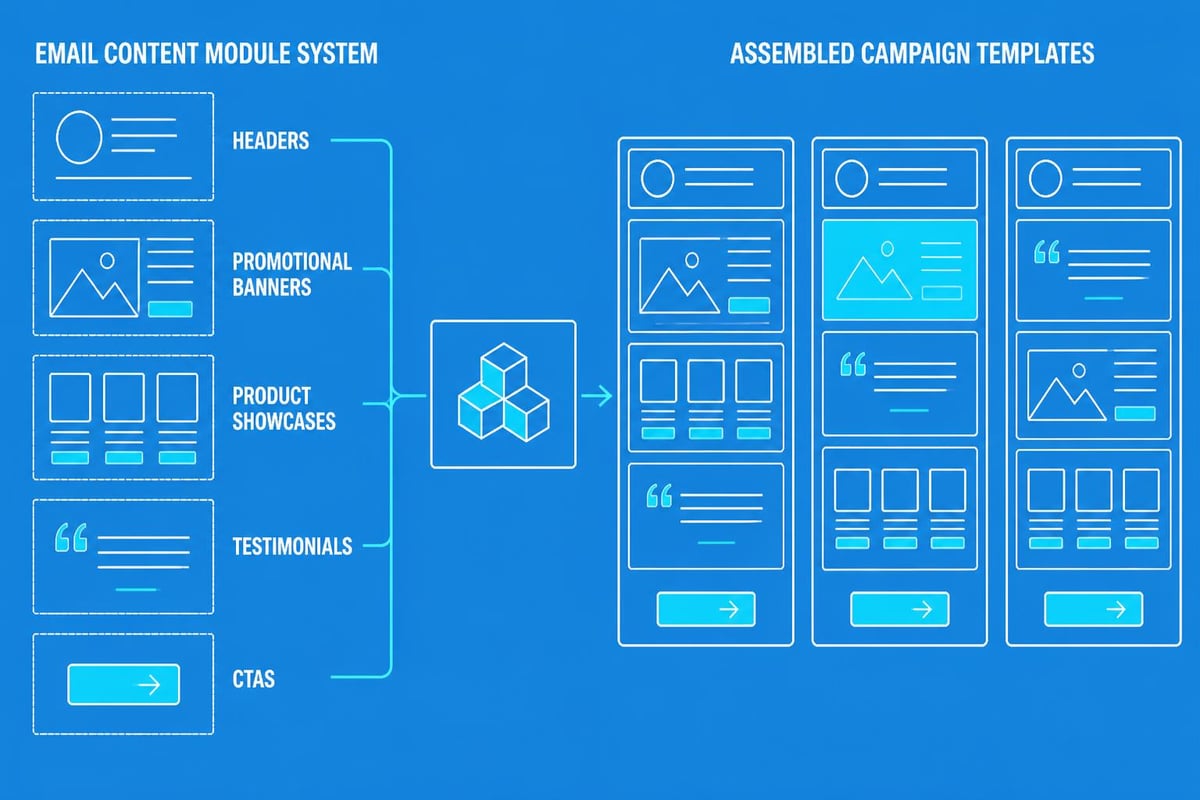
Modular content approaches divide email campaigns into reusable components: headers, body sections, calls-to-action, and footers. This structure enables rapid assembly of new campaigns using tested, compliant elements.
| Content Module | Purpose | Reusability | Customisation Level |
|---|---|---|---|
| Brand Header | Identity, navigation | Every email | Minimal |
| Promotional Banner | Offers, announcements | Campaign-specific | High |
| Product Showcase | Features, benefits | Multiple campaigns | Moderate |
| Testimonial Block | Social proof | Rotating use | Low |
| CTA Section | Conversion driver | Template-based | Moderate |
| Footer | Legal, contact, links | Every email | Minimal |
This approach aligns with how platforms like Astonish Email enable businesses to maintain consistent branding whilst varying campaign content. Efficiency gains compound over time as your component library grows.
When planning mailing emails, consider how each element might serve future campaigns. Content created with reusability in mind delivers ongoing value beyond single-use applications.
User-Generated Content and Permissions
User-generated content offers powerful social proof for email campaigns, yet requires careful permission management. Customer reviews, testimonials, and social media posts fall under creator copyright unless explicitly granted for marketing use.
Implementing systematic permission requests when collecting testimonials establishes clear usage rights. Simple consent forms or email confirmations documenting approval protect businesses whilst enabling authentic content utilisation.
The process of requesting and documenting permissions need not prove burdensome. Automated systems integrated into review collection or post-purchase communications streamline permission gathering whilst maintaining compliance.
Educational Resources and Ongoing Learning
Email marketing evolves continuously, making ongoing education essential for maintaining effective, compliant campaigns. Numerous free resources provide guidance on email free use and broader marketing best practices.
Institutional and Professional Guidance
Universities and professional organisations publish comprehensive email guidelines that address both strategic and tactical considerations. These resources offer research-backed insights applicable across industries and business sizes.
Resources like Carnegie Mellon's email best practices guide and University of Toronto's effective email guidelines provide frameworks applicable to commercial email whilst emphasising clarity and audience respect.
Security considerations increasingly influence email strategy, with institutions like UC Berkeley offering guidance on protecting sensitive information and maintaining secure communication practices.
Key learning areas for email marketers include:
- Subject line psychology and testing methodologies
- Segmentation strategies for improved relevance
- Accessibility standards for inclusive design
- Mobile optimisation and responsive templates
- Analytics interpretation and campaign refinement
Continuous learning ensures your email free use practices remain current with evolving regulations, technologies, and audience expectations.
Testing and Optimisation Frameworks
Effective email marketing requires systematic testing to identify what resonates with specific audiences. A/B testing frameworks enable data-driven decisions without requiring expensive tools or consultants.
Testing variables systematically-subject lines, send times, visual layouts, content length-builds institutional knowledge about audience preferences. Documentation of test results creates valuable reference materials for future campaigns.
When you send email tests, ensure sample sizes provide statistical significance before drawing conclusions. Small businesses often rush to judgement based on insufficient data, leading to misguided strategy adjustments.
Practical Implementation for Small Businesses
Translating email free use principles into daily practice requires systematic approaches tailored to small business constraints. Limited budgets and personnel make efficiency paramount whilst maintaining quality and compliance.
Workflow Development and Documentation
Establishing clear workflows for email campaign creation ensures consistency and reduces errors. Documented processes enable team members to execute campaigns confidently, even without extensive marketing backgrounds.
A typical workflow might include content planning, design selection from your template library, copy creation following brand guidelines, legal compliance review, testing across email clients, and scheduled deployment. Each step incorporates email free use principles.
Sample email creation workflow:
- Define campaign objective and target audience segment
- Select appropriate template from compliant library
- Source or create copyright-compliant visual assets
- Draft copy incorporating brand voice and compliance elements
- Review all links, unsubscribe mechanisms, and legal requirements
- Test rendering across multiple email clients
- Schedule deployment and monitor initial performance
- Document results for future reference and optimisation
Workflow documentation proves particularly valuable when onboarding new team members or delegating email responsibilities. Clear procedures reduce training time whilst maintaining quality standards.
Budget Allocation and Resource Planning
Even with email free use maximising free resources, some budget allocation enhances campaign effectiveness. Strategic spending on premium stock images, advanced analytics, or specialist tools complements free resources appropriately.
Businesses should evaluate where paid resources deliver disproportionate value. A premium image subscription might cost less than the time required to source free alternatives, whilst analytics platforms provide insights justifying their fees through improved performance.
The email benefits your business receives should exceed costs significantly, whether expenses involve platform subscriptions, content creation, or design resources. Regular ROI assessment ensures email marketing remains cost-effective.
When considering platform options, comparing features against actual needs prevents overspending on unnecessary capabilities. Small businesses benefit from straightforward solutions offering essential functionality without enterprise-level complexity or pricing.
Legal Risk Management and Documentation
Protecting your business requires proactive legal risk management within email marketing operations. Documentation, policy development, and regular compliance audits mitigate exposure to copyright claims and regulatory penalties.
Creating Internal Policies and Guidelines
Formalising email free use policies establishes clear expectations for everyone involved in campaign creation. Written guidelines covering content sourcing, permission documentation, and compliance requirements reduce errors and demonstrate due diligence.
Internal policies should address image sourcing procedures, text plagiarism prevention, template licensing verification, and subscriber consent documentation. These guidelines create accountability whilst protecting business interests.
Regular policy reviews ensure alignment with evolving regulations and industry standards. Annual audits identify gaps or outdated provisions requiring updates, maintaining policy relevance and effectiveness.
Documentation and Record Keeping
Maintaining thorough records of content sources, permissions, and licensing proves invaluable if questions arise. Organised documentation demonstrates good faith efforts and provides evidence of compliance with email free use principles.
Records to maintain include image source URLs and license types, testimonial permission emails, template purchase receipts, and subscriber opt-in timestamps. Digital organisation systems facilitate quick retrieval when needed.
Cloud storage solutions enable team access to centralised documentation whilst maintaining security. Version control prevents confusion about which assets carry proper permissions for current use.
Audience Engagement Through Compliant Practices
Email free use ultimately serves the broader objective of audience engagement. Compliance and legal considerations, whilst important, shouldn't overshadow the fundamental goal of building meaningful connections with subscribers.
Balancing Legal Requirements with Creative Expression
Regulatory compliance and creative excellence need not conflict. Well-designed campaigns respect recipient rights whilst delivering engaging, valuable content that recipients appreciate receiving. This balance defines sustainable email marketing.
Subject line honesty, clear sender identification, and easy unsubscribe mechanisms actually enhance trust rather than diminishing campaign effectiveness. Subscribers value transparency and respect, responding positively to businesses demonstrating both qualities.
The most successful email campaigns blend compliance seamlessly into design and messaging. Legal requirements become invisible to recipients whilst protecting business interests and honouring subscriber preferences.
Building Long-Term Subscriber Relationships
Email free use supports relationship building by enabling consistent, professional communications without unsustainable costs. Regular contact maintains brand awareness whilst delivering value that justifies inbox presence.
Segmentation strategies respect subscriber preferences by delivering relevant content matched to interests and behaviours. Generic mass emails give way to personalised communications that acknowledge individual subscriber characteristics.
When you send email messages tailored to recipient interests, engagement metrics improve whilst unsubscribe rates decline. This virtuous cycle builds valuable subscriber relationships over time.
Permission-based email marketing, executed with attention to email free use principles, creates sustainable competitive advantages for small businesses. The approach requires discipline but delivers compounding returns through improved deliverability, engagement, and conversion.
Mastering email free use empowers small businesses to execute professional marketing campaigns whilst managing budgets and legal obligations effectively. By understanding copyright principles, leveraging freely available resources, and maintaining strict compliance standards, you build sustainable email programmes that engage audiences and drive business growth. Astonish Email provides the platform and tools small businesses need to implement these strategies efficiently, combining user-friendly design with robust deliverability and compliance features that make email marketing accessible and effective.