Send Email Without Email Address: Privacy Solutions 2026
May 19, 2026
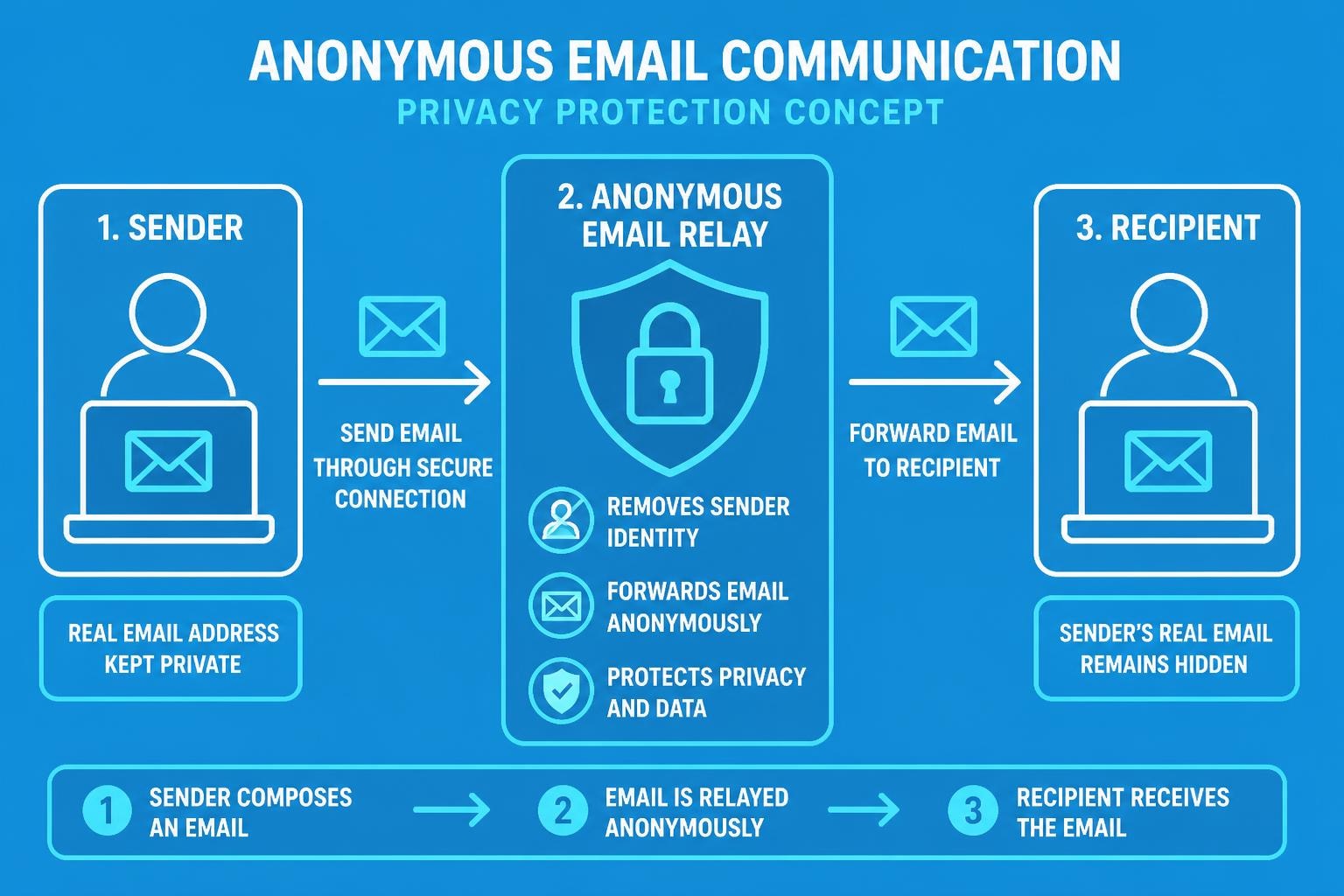
Digital privacy has become a paramount concern for small businesses and individuals alike in 2026. Whether you're conducting market research, protecting whistleblowers, or simply maintaining confidentiality, the ability to send email without email address has evolved from a niche requirement into a mainstream necessity. Traditional email systems require persistent addresses that can be traced, tracked, and potentially compromised. However, innovative solutions now enable anonymous communication whilst maintaining the functionality businesses depend upon. Understanding these methods empowers organisations to make informed decisions about their communication strategies whilst protecting sensitive information.
Understanding Anonymous Email Communication
The concept to send email without email address might seem contradictory at first glance. After all, email systems were designed around the fundamental principle of having identifiable sender and recipient addresses. Yet the growing demand for privacy has spawned numerous solutions that circumvent this traditional model.
Anonymous email services operate by masking your identity through various technical mechanisms. These platforms act as intermediaries, sending messages on your behalf without revealing your actual email address to the recipient. Some services generate temporary addresses that expire after a set period, whilst others use sophisticated encryption and routing techniques to ensure sender anonymity.
For small businesses using platforms like Astonish Email, understanding these alternatives helps inform decisions about when traditional email marketing serves your needs versus when privacy-focused solutions are more appropriate.
How Anonymous Sending Actually Works
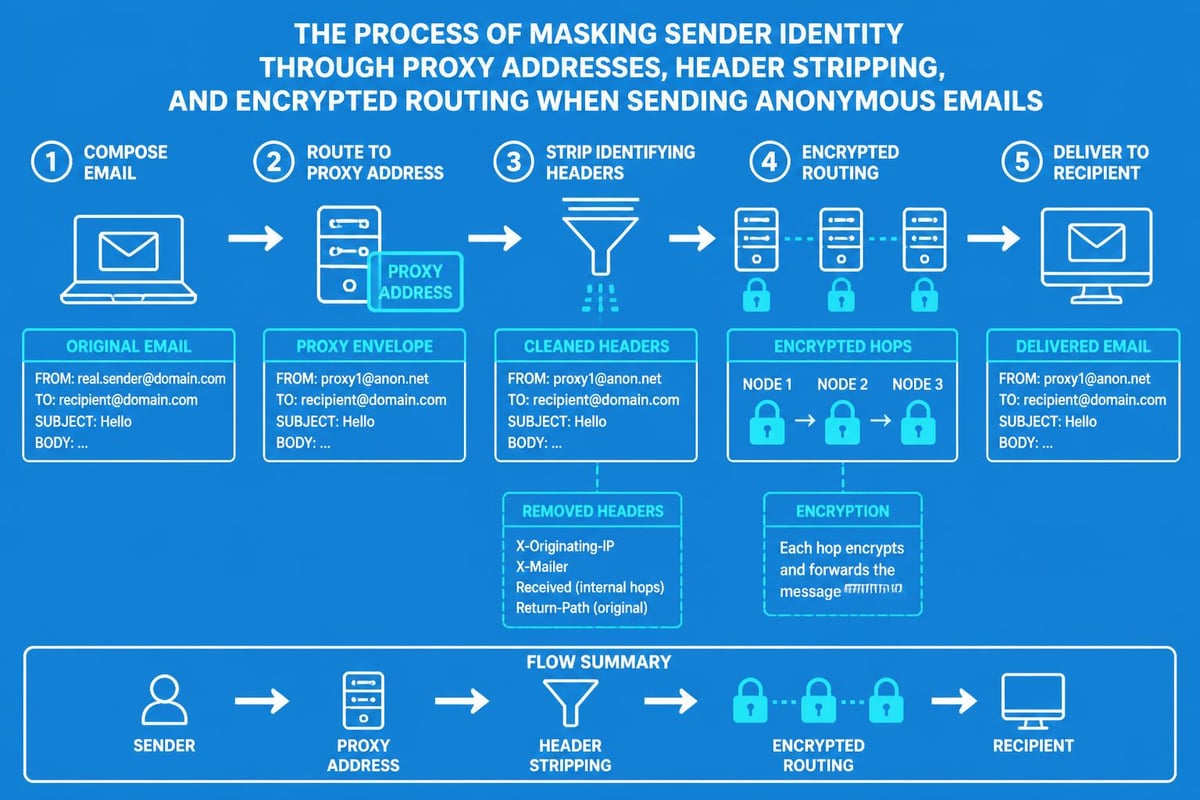
When you send email without email address, several technical processes occur behind the scenes:
- Address masking creates a proxy address that forwards messages without exposing your real credentials
- Header stripping removes identifying information from email metadata
- Encryption protects message content during transmission
- Temporary routing uses disposable addresses that self-destruct after use
The sophistication of these methods varies considerably across different service providers. Some offer basic forwarding capabilities, whilst others implement military-grade encryption protocols that would satisfy even the most security-conscious organisations.
Temporary Email Services for Quick Communication
Disposable email addresses represent one of the most accessible ways to send email without email address persistence. These services generate temporary inboxes that exist for minutes, hours, or days depending on your requirements.
Guerrilla Mail pioneered this approach, offering instant anonymous email addresses without requiring any registration. Users simply visit the website, receive a randomly generated address, and can immediately start sending or receiving messages. When you're finished, the address disappears along with all associated correspondence.
Benefits of Temporary Email Solutions
| Feature | Business Application | Privacy Level |
|---|---|---|
| No registration required | Quick market research inquiries | High |
| Instant address generation | Testing signup forms | Very High |
| Self-destructing messages | Confidential preliminary discussions | High |
| Multiple simultaneous addresses | Managing different projects separately | Medium |
Small businesses conducting competitor research or testing their own email sending capabilities often find temporary services invaluable. They allow teams to interact with external systems without exposing corporate email infrastructure to potential spam or security threats.
The best temporary email services reviewed by industry experts typically offer additional features beyond basic anonymity. These might include attachment support, custom address creation, and extended inbox lifespans for users requiring slightly longer-term solutions.
Anonymous Remailers and Privacy Networks
For organisations requiring enhanced security, anonymous remailers provide a robust method to send email without email address attribution. These systems use sophisticated cryptographic techniques to strip identifying information from messages.
Type I (Cypherpunk) remailers work by removing all header information that could identify the sender. Messages pass through multiple remailer nodes, each stripping additional layers of metadata. By the time your email reaches its destination, tracing it back to you becomes virtually impossible.
Type II (Mixmaster) remailers take this concept further by introducing:
- Message batching to prevent traffic analysis
- Encryption between remailer nodes
- Random delays to disrupt timing attacks
- Decoy traffic to mask actual communications
These technical approaches suit businesses handling sensitive information where protecting email communications outweighs convenience considerations.
Setting Up Anonymous Communication Channels
Establishing reliable channels to send email without email address requires careful planning:
- Research available services based on your specific privacy requirements
- Test multiple platforms to evaluate reliability and feature sets
- Document procedures for team members who'll use these systems
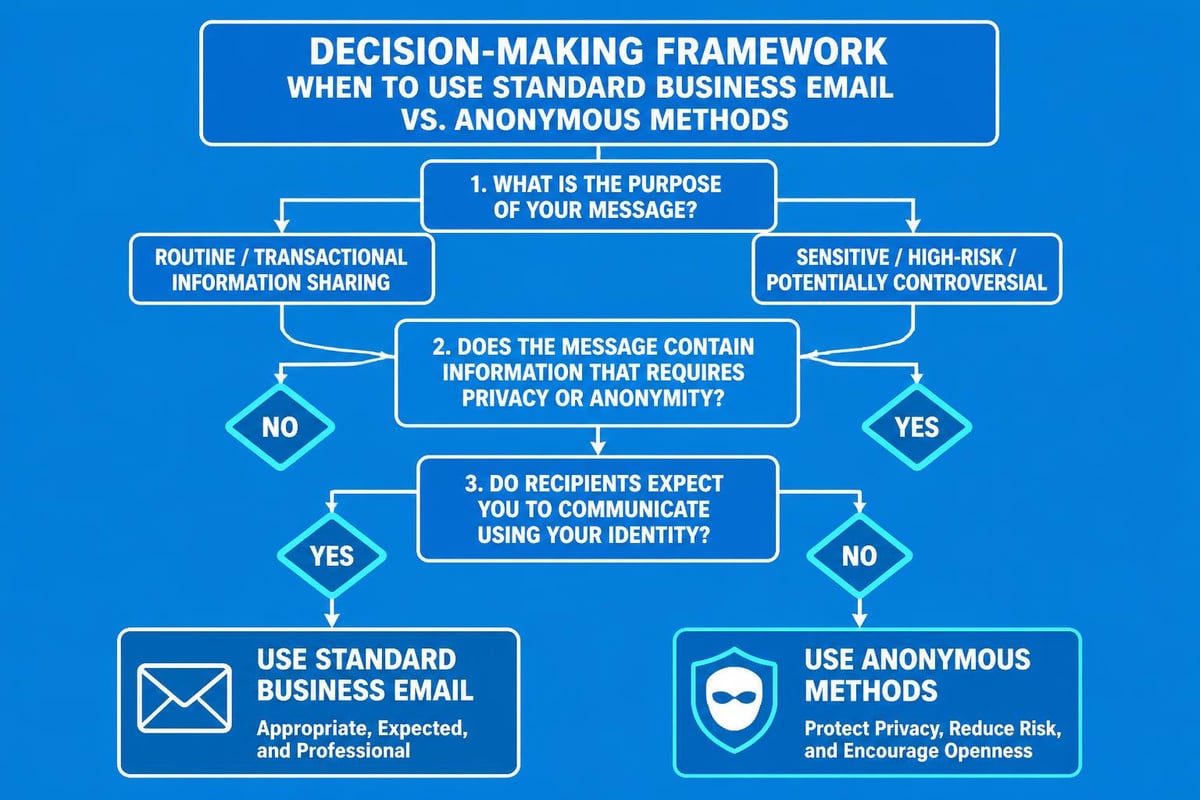
- Establish protocols for when anonymous communication is appropriate versus standard business email channels
- Regularly review and update your privacy communication strategy
Many small businesses discover that a hybrid approach works best. Standard marketing communications and customer service interactions use conventional email systems, whilst sensitive negotiations or research activities leverage anonymous alternatives.
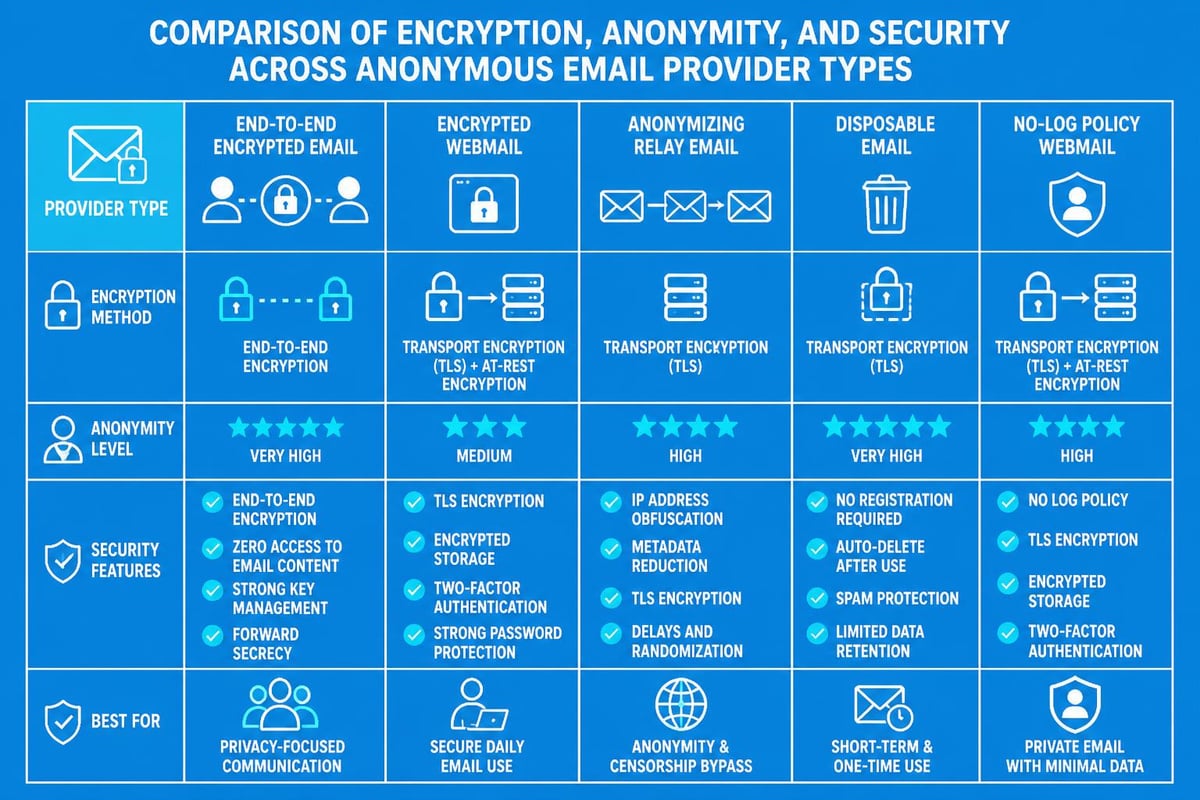
Privacy-Focused Email Providers
Beyond temporary services, several providers specialise in offering permanent anonymous email accounts. These platforms enable you to send email without email address traceability whilst maintaining consistent communication channels.
CloakGuru's email functionality demonstrates how modern services balance privacy with usability. Users can send and receive messages without revealing personal information, whilst still maintaining the reliability businesses require for ongoing correspondence.
Key features to evaluate when selecting privacy-focused providers:
- End-to-end encryption standards
- Jurisdiction and data protection laws
- Metadata handling policies
- Integration capabilities with existing workflows
- Cost structure for business accounts
VPN and Tor Integration
The ability to send email without email address gains additional protection when combined with network-level anonymity tools. Virtual Private Networks (VPNs) mask your IP address, preventing even service providers from knowing your physical location or identity.
The Tor network provides even stronger anonymity through onion routing. Anonymous email services accessible via Tor offer maximum privacy for users requiring absolute confidentiality. Messages route through multiple encrypted nodes worldwide, making surveillance or tracking virtually impossible.
For small businesses, implementing these technologies requires balancing security needs against practical usability. Staff training becomes essential, as does establishing clear guidelines about when enhanced privacy measures are necessary.
Practical Applications for Small Businesses
Understanding when and why to send email without email address helps businesses make strategic communication decisions. Several scenarios particularly benefit from anonymous approaches.
Market research and competitor analysis often requires discreet information gathering. Using anonymous email allows your team to sign up for competitor newsletters, request product information, or participate in industry forums without revealing your company's interest.
Whistleblower and compliance systems need robust anonymity to function effectively. Employees reporting concerns about workplace issues require confidence that their identity remains protected. Anonymous email channels facilitate this whilst ensuring management receives critical information.
Initial business development contacts sometimes benefit from preliminary anonymous outreach. Before revealing your company identity, you can gauge interest levels, understand competitor positioning, or test market receptiveness to new concepts.
| Use Case | Recommended Approach | Privacy Priority |
|---|---|---|
| Customer service | Standard business email | Low |
| Marketing campaigns | Professional email marketing platforms | Low |
| Competitor research | Temporary disposable addresses | High |
| Sensitive negotiations | Anonymous remailers with encryption | Very High |
| Whistleblower systems | Tor-based anonymous services | Maximum |
Balancing Privacy and Professionalism
Whilst anonymous communication serves specific purposes, businesses must recognise when traditional professional email remains more appropriate. Your one-time email strategy should complement rather than replace standard business communications.
Customer-facing communications particularly benefit from established, professional email addresses that build trust and brand recognition. Services like Astonish Email specialise in helping small businesses establish credible email marketing systems that enhance rather than obscure their identity.
The key lies in maintaining separate communication channels for different purposes. Anonymous methods serve research, privacy-sensitive discussions, and confidential matters, whilst branded business email handles customer relationships, marketing, and day-to-day operations.
Technical Considerations and Limitations
Successfully implementing solutions to send email without email address requires understanding their inherent limitations and technical constraints.
Deliverability challenges affect anonymous email significantly. Many corporate spam filters automatically flag messages from temporary or anonymous sources. Legitimate businesses receiving your anonymous correspondence might never see it if their security systems classify it as suspicious.
Response management becomes complicated when using disposable addresses. If you need ongoing dialogue, temporary addresses that expire create communication gaps. Planning response collection methods before sending anonymous emails prevents losing valuable feedback.
Legal and compliance implications vary by jurisdiction. Some industries face regulations requiring sender identification on business communications. Understanding your legal obligations prevents inadvertent violations whilst pursuing privacy objectives.
Best Practices for Anonymous Email Usage
- Always verify that anonymous communication serves legitimate business purposes
- Document your privacy communication policies for compliance purposes
- Test message deliverability before relying on anonymous channels for critical communications
- Maintain separate systems for anonymous research versus professional business correspondence
- Regularly review and update anonymous email practices as technology evolves
Following comprehensive guides on how to send anonymous emails helps businesses implement these practices effectively whilst avoiding common pitfalls.
Future Trends in Private Communication
The landscape for anonymous email continues evolving rapidly. Emerging technologies promise even greater privacy whilst addressing current limitations.
Blockchain-based email systems under development could revolutionise how we send email without email address traceability. These decentralised platforms eliminate central authorities that might compromise user privacy, distributing message routing across global networks.
Artificial intelligence increasingly powers sophisticated anonymisation techniques. Smart systems automatically strip identifying information, adjust writing styles to prevent linguistic fingerprinting, and optimise routing paths for maximum privacy.
Regulatory changes worldwide continue shaping anonymous communication capabilities. The ongoing tension between privacy rights and security concerns influences what services can legally offer and how businesses may utilise them.
For small businesses planning long-term communication strategies, monitoring these trends ensures your privacy capabilities remain current whilst maintaining compliance with evolving regulations. Partnering with forward-thinking providers who adapt to technological changes protects your communication infrastructure investments.
The methods available to send email without email address in 2026 offer unprecedented privacy capabilities alongside practical usability. From disposable temporary addresses through sophisticated anonymous remailers to privacy-focused permanent providers, businesses can select solutions matching their specific requirements. Understanding when these tools serve legitimate purposes versus when professional branded communication proves more appropriate enables strategic decision-making that balances privacy needs with business objectives.
Anonymous email solutions serve specific privacy requirements, but most small business communications benefit from professional, branded channels that build trust and credibility. When you need reliable email marketing that represents your business effectively whilst reaching customers consistently, Astonish Email provides the tools and expertise to grow your audience. Our platform helps small businesses create professional campaigns that engage customers without sacrificing the personal touch that drives success.