One Time Use Email Address: Complete Guide 2026
May 6, 2026
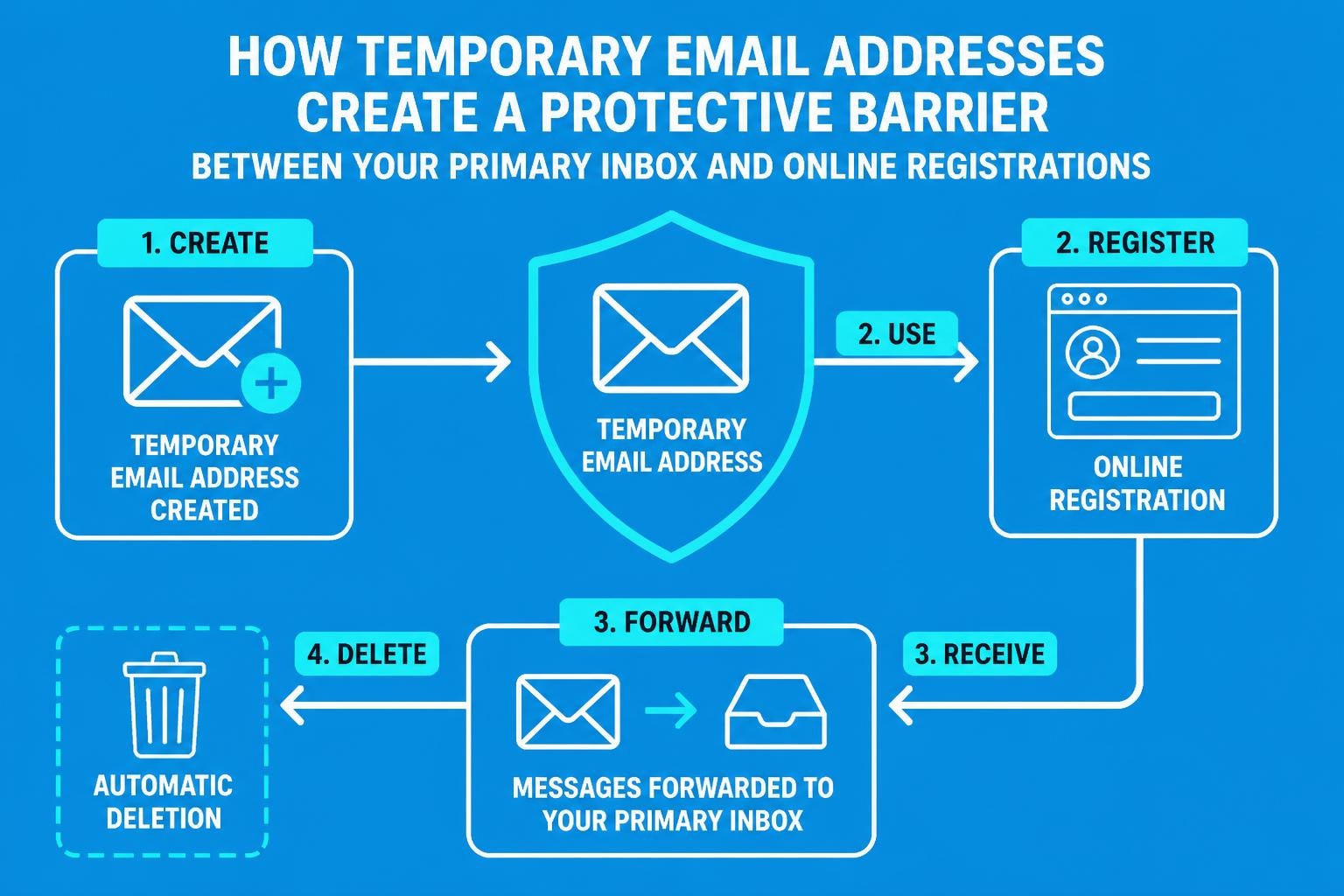
In today's digital landscape, protecting your primary email address from spam, data breaches, and unwanted marketing messages has become essential for both individuals and businesses. A one time use email address offers a practical solution to these challenges, providing a temporary shield that safeguards your personal information whilst maintaining the functionality you need for online interactions. Small businesses, in particular, can benefit from understanding how these temporary addresses work, when to use them, and how they complement a robust email marketing strategy.
Understanding One Time Use Email Addresses
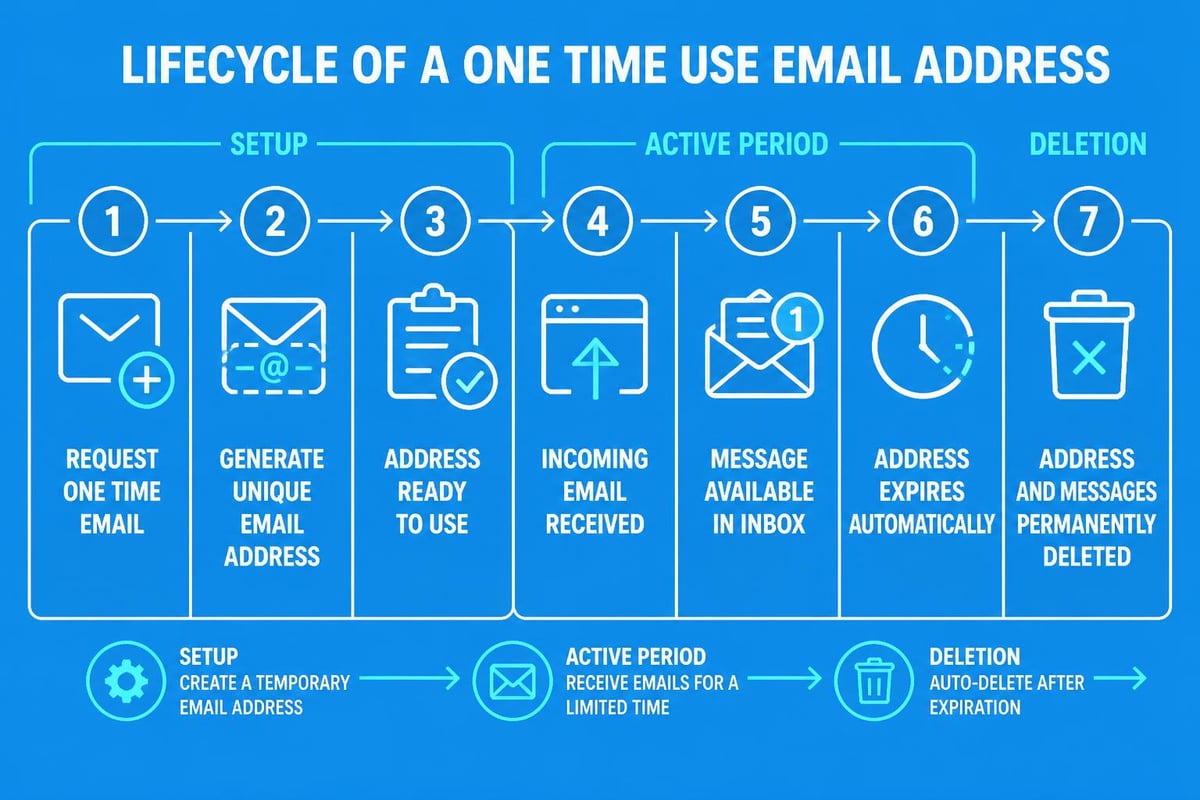
A one time use email address is a temporary, disposable email account designed to receive messages for a limited period before automatically expiring. Unlike your primary business email, these addresses serve specific, short-term purposes without cluttering your main inbox or exposing your permanent contact details to unknown parties.
These temporary solutions work by creating an alias or completely separate email address that forwards messages to your real inbox, or in some cases, provides a temporary inbox you can check directly. Understanding disposable email addresses reveals how they function as intermediaries between your actual contact information and the outside world.
Key Characteristics That Define Temporary Addresses
Temporary email services typically share several common features:
- Automatic expiration after a set time period (ranging from 10 minutes to several days)
- No registration or personal information required for creation
- Instant setup without verification processes
- Forwarding capabilities to your primary address
- Self-destructing messages that leave no permanent record
The lifespan of a one time use email address varies depending on the service provider and your specific needs. Some addresses last only long enough to complete a single transaction, whilst others remain active for hours or days.
Strategic Applications for Small Businesses
Small business owners often encounter situations where providing their professional email address might lead to complications. Understanding when to deploy a one time use email address can significantly improve your digital security posture.
Website Registrations and Free Trials
When testing new software platforms or accessing gated content, businesses frequently face mandatory email registration. Providing your primary business address often triggers automated marketing sequences that flood your inbox with promotional content.
Common use cases for temporary emails include software trials, downloading whitepapers, and accessing premium content behind registration walls. These scenarios rarely require long-term communication, making temporary addresses ideal.
| Business Scenario | Risk Level | Recommended Email Type |
|---|---|---|
| Client communication | High | Primary business email |
| Software trials | Medium | One time use address |
| Newsletter signup (unknown sender) | Medium | Temporary address |
| Vendor quotations | Low | Primary or secondary business email |
| Marketing downloads | Low | One time use address |
E-commerce and Marketplace Testing
Before committing to a new supplier or marketplace, businesses often need to create accounts to view pricing or assess product quality. A one time use email address allows you to evaluate these platforms without committing your primary contact details.
This approach proves particularly valuable when:
- Researching competitor pricing on industry platforms
- Testing checkout processes on potential sales channels
- Evaluating supplier responsiveness
- Accessing trade show or conference materials
Protecting Against Data Breaches
Data breaches have become increasingly common, with millions of email addresses exposed annually. When a company suffers a breach, your email address can end up on lists sold to spammers and malicious actors.
Using temporary addresses for non-essential services creates a firewall around your primary business email. If a breach occurs, the compromised address has already expired, leaving your actual contact information secure.
Privacy and Security Considerations
The advantages and disadvantages of disposable email addresses require careful evaluation before implementation. Whilst privacy benefits are substantial, certain limitations warrant attention.
Privacy Protection Benefits
A one time use email address offers several layers of privacy protection:
- Identity masking: Your real name and business details remain hidden
- Tracking prevention: Marketing companies cannot build comprehensive profiles
- Spam reduction: Unwanted messages never reach your primary inbox
- Data minimisation: Fewer platforms hold your permanent contact information
For small businesses managing customer data, understanding privacy protection extends to your own practices. Maintaining a robust antispam policy demonstrates your commitment to ethical email marketing.
Potential Security Limitations
Temporary email services aren't suitable for all situations. Their inherent limitations include:
- Limited password recovery: Lost passwords cannot be recovered after address expiration
- Missing verification emails: Time-sensitive codes might arrive after the address expires
- No attachment storage: Important documents sent to expired addresses are lost permanently
- Reduced accountability: Some platforms block known temporary email domains
When creating a business email account, permanent, verified addresses remain essential for customer communications, financial transactions, and legal correspondence.
Implementing Best Practices
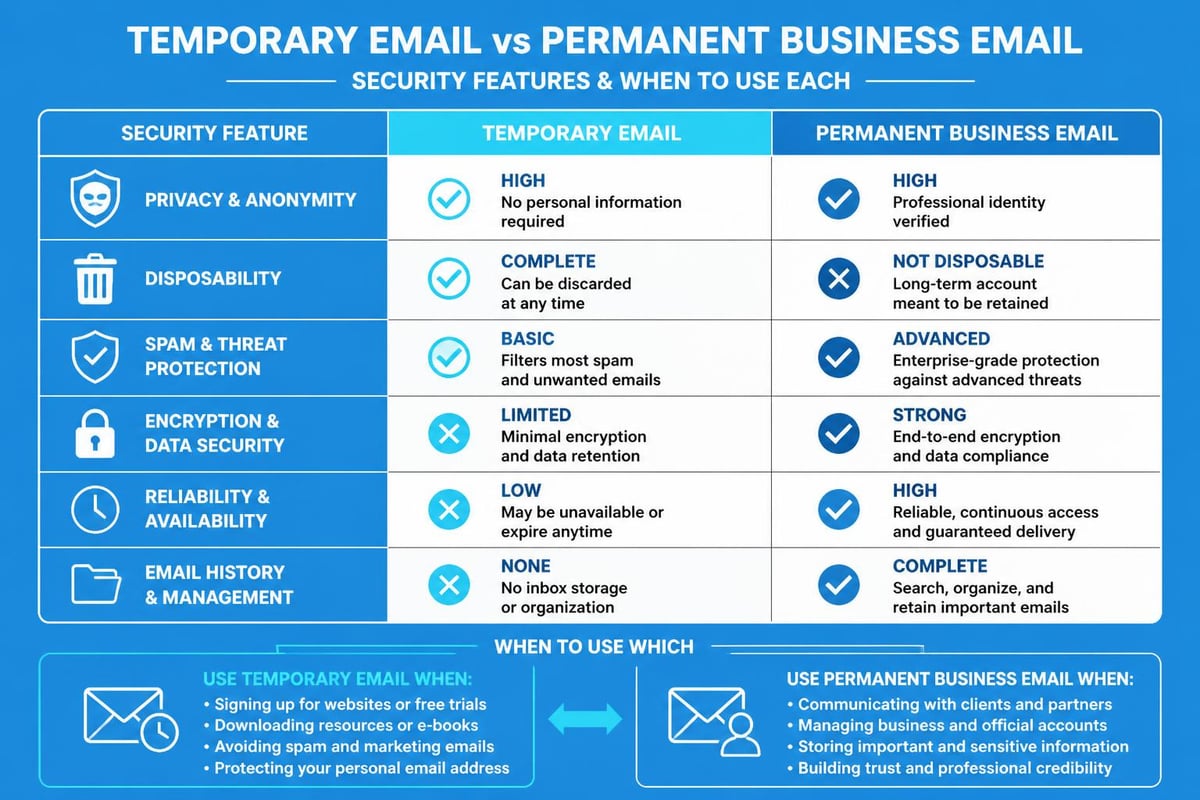
Strategic deployment of temporary email addresses requires understanding when they enhance your workflow versus when they create unnecessary complications. Best practices for temporary email use emphasize deliberate implementation rather than wholesale replacement of your primary address.
When to Use Temporary Addresses
Deploy a one time use email address for these specific scenarios:
- Online registrations where ongoing communication seems unlikely
- Downloading resources from unfamiliar websites
- Testing services before committing to long-term relationships
- Participating in one-off promotions or competitions
- Accessing content that requires email verification but no future interaction
The key distinction lies in whether you anticipate needing future access to communications. If ongoing dialogue seems probable, your primary business email or a dedicated secondary address serves better.
When to Avoid Temporary Solutions
Certain business activities demand the stability and credibility of permanent email addresses. Never use temporary addresses for:
- Customer service communications or support tickets
- Financial transactions or payment confirmations
- Account creation on essential business platforms
- Professional networking or partnership discussions
- Legal documents or contracts requiring verified identity
Understanding this distinction ensures you maintain professional email standards whilst still leveraging temporary addresses for appropriate situations.
Choosing the Right Temporary Email Service
The market offers numerous temporary email providers, each with distinct features and limitations. Reviews of the best temporary email services highlight key differentiators that affect usability and security.
Essential Features to Evaluate
| Feature | Why It Matters | Questions to Ask |
|---|---|---|
| Lifespan flexibility | Matches your specific needs | Can I extend the expiration time? |
| Custom domain blocking | Some sites block known temporary domains | Does the service rotate domains? |
| Inbox access method | Convenience and security | Do I need to return to the website? |
| Privacy policy | Data handling practices | Are my messages truly deleted? |
| Mobile accessibility | Use on the go | Is there a mobile app or responsive site? |
Beyond basic functionality, consider whether the service logs IP addresses, stores message content beyond expiration, or shares data with third parties.
Integration with Your Email Workflow
For small businesses managing multiple communication channels, temporary addresses should complement rather than complicate your existing systems. Consider how a one time use email address fits within your broader email strategy.
Quick email address creation for legitimate business purposes differs fundamentally from temporary disposable options. Your permanent infrastructure should handle customer communications whilst temporary addresses manage peripheral activities.
Managing Multiple Email Identities
Small business owners often juggle numerous email addresses serving different purposes. A structured approach prevents confusion and ensures messages reach appropriate destinations.
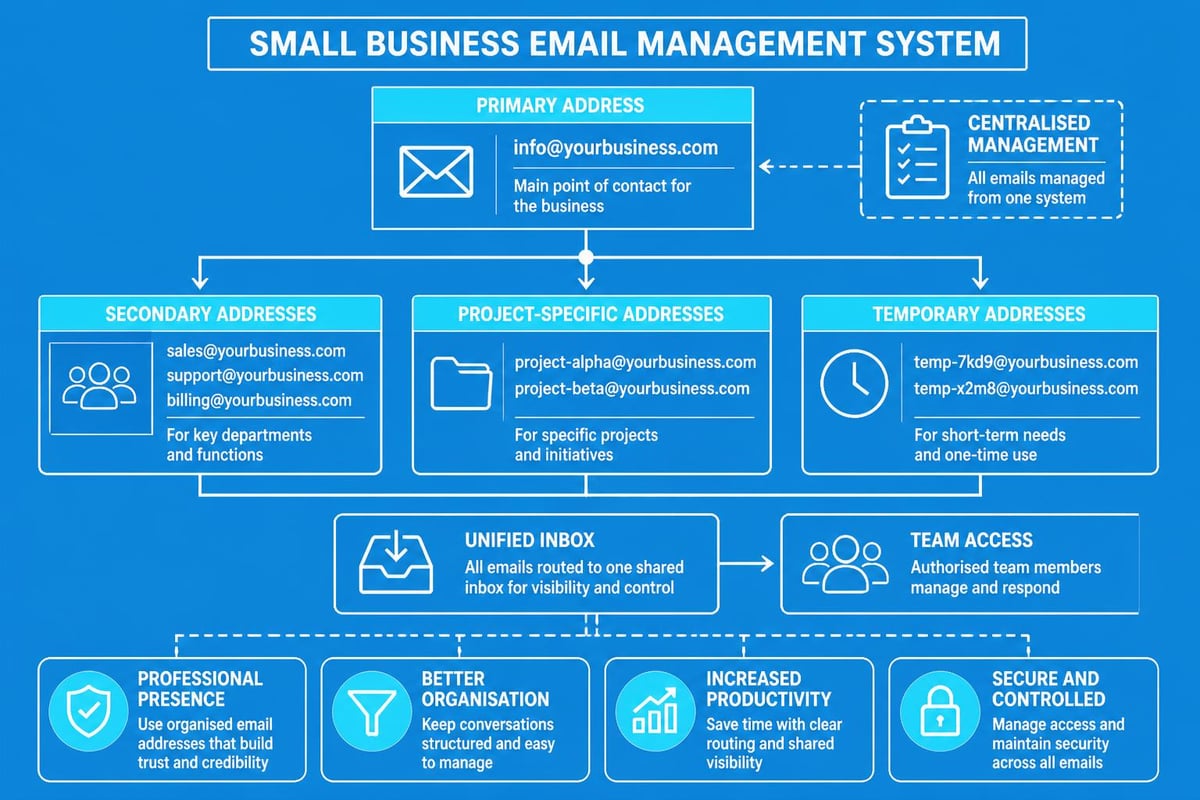
Creating a Hierarchical Email System
Organise your email identities into clear categories:
- Primary business email: Customer communications, important vendor relationships, financial matters
- Secondary business email: Newsletter subscriptions from trusted sources, industry updates, networking
- Project-specific addresses: Temporary campaigns or initiatives with defined end dates
- One time use addresses: All scenarios requiring temporary verification or access
This hierarchy ensures you never lose critical communications whilst maintaining inbox cleanliness. Exploring various use cases demonstrates how different address types serve distinct purposes.
Documentation and Recovery Planning
When using temporary addresses, maintain a simple record of:
- Which services received which temporary address
- Expected expiration dates for addresses requiring extended access
- Important information received before expiration
- Alternative contact methods for critical services
This documentation proves invaluable when a service unexpectedly requires future contact or when you need to verify past transactions.
Impact on Email Marketing Operations
For businesses utilising email marketing platforms, understanding temporary email addresses serves dual purposes: knowing when to use them personally, and recognising their impact on your marketing campaigns.
How Temporary Addresses Affect Your Campaigns
When recipients subscribe to your mailing list using a one time use email address, several consequences emerge:
- Immediate bounce rates: Messages bounce once the temporary address expires
- Engagement metrics distortion: Opens and clicks from temporary addresses skew campaign analytics
- List quality degradation: Higher percentages of invalid addresses reduce deliverability
- Wasted sending costs: Messages sent to expired addresses consume your email quota
Implementing robust email verification processes helps identify temporary addresses during signup, allowing you to request permanent contact information from genuinely interested subscribers.
Protecting List Quality
Maintain high-quality email lists through these practices:
- Double opt-in confirmation processes that expire temporary addresses
- Regular list cleaning to remove bounced addresses
- Clear value propositions that encourage permanent address usage
- Honest data retention policies that build subscriber trust
For small businesses where every subscriber matters, focusing on permanent, engaged contacts delivers superior results compared to inflated lists filled with temporary addresses.
Balancing Convenience and Professionalism
Whilst a one time use email address offers undeniable convenience, small business owners must balance this tool with professional communication standards. Your email address often creates first impressions that influence business relationships.
Building Trust Through Email Identity
Professional contacts expect consistency and accessibility. When networking, forming partnerships, or engaging with potential clients, your email address communicates important signals about your business reliability.
Temporary addresses suggest:
- Lack of commitment to ongoing relationships
- Potential privacy concerns or distrust
- Casual rather than professional engagement
- Reluctance to establish verifiable identity
Conversely, professional business email addresses demonstrate credibility, permanence, and serious business intentions.
Strategic Deployment Guidelines
The most successful small businesses use temporary addresses strategically without allowing them to undermine professional relationships. Apply this decision framework:
Use temporary addresses when:
- The interaction is purely transactional
- No ongoing relationship is anticipated
- Privacy concerns outweigh relationship-building needs
- Testing or research represents your primary objective
Use permanent business addresses when:
- Building long-term business relationships
- Establishing vendor or partner connections
- Communicating with customers or clients
- Participating in professional networks or associations
This strategic approach maximises privacy protection whilst maintaining the professional standards essential for business growth.
Technical Implementation Considerations
For small businesses with basic technical infrastructure, implementing temporary email solutions requires minimal technical expertise. However, understanding key technical aspects ensures smooth operation.
Browser-Based Versus App-Based Solutions
Most temporary email services operate entirely through web browsers, requiring no installation or configuration. Simply visit the service website, receive an automatically generated address, and check the temporary inbox for incoming messages.
Browser-based advantages:
- No software installation required
- Access from any device with internet connectivity
- No storage consumed on your devices
- Immediate availability without setup delays
App-based alternatives offer:
- Faster access through dedicated mobile applications
- Push notifications for incoming messages
- Better integration with device clipboard functions
- Offline storage of recently received messages
Security During Access
When accessing temporary email services, especially on public networks, basic security precautions remain essential. Public Wi-Fi networks can expose your browsing activity, potentially revealing which temporary addresses you've created.
Protect your privacy when using temporary addresses:
- Use HTTPS-secured temporary email services exclusively
- Avoid accessing sensitive content through temporary inboxes on public networks
- Clear browser history after using temporary email services
- Consider VPN protection when creating temporary addresses for privacy-critical situations
Regulatory and Compliance Aspects
Businesses operating in regulated industries must consider how temporary email addresses interact with compliance requirements. Certain regulations mandate verified, permanent contact information for specific business activities.
Know Your Customer (KYC) Requirements
Financial services, healthcare providers, and businesses handling sensitive personal data typically cannot accept temporary email addresses for customer accounts. Regulatory frameworks require verified identity and permanent contact information.
When your business needs to comply with strict verification requirements, creating proper business email accounts aligned with regulatory standards becomes non-negotiable.
Record Retention Obligations
Some industries require maintaining communication records for specified periods. Temporary email addresses that automatically delete messages conflict with these retention obligations.
Evaluate compliance needs before using temporary addresses for:
- Contract negotiations or agreements
- Customer service interactions
- Financial transactions or quotes
- Healthcare-related communications
- Legal correspondence
Understanding these boundaries ensures temporary email usage enhances rather than compromises your compliance posture.
Future Developments in Temporary Email
The temporary email landscape continues evolving as privacy concerns grow and service providers develop increasingly sophisticated solutions. Several trends are shaping the future of disposable email addresses.
Enhanced Privacy Features
Modern temporary email services increasingly incorporate advanced privacy protections, including encrypted message storage, anonymous browsing capabilities, and automatic metadata stripping from received emails.
These developments reflect growing awareness of comprehensive privacy protection extending beyond simply hiding your permanent email address.
Integration with Password Managers
Forward-thinking password management applications now incorporate temporary email generation directly within their platforms. This integration streamlines workflows by automatically creating disposable addresses when registering for new services.
For small businesses managing numerous online accounts, this integration reduces friction whilst maintaining security and privacy standards.
Artificial Intelligence and Spam Detection
As temporary email services become more sophisticated, they're incorporating AI-powered spam filtering and threat detection. These systems identify potentially malicious content before it reaches even your temporary inbox, adding another security layer.
A one time use email address represents a valuable tool in the modern small business owner's digital toolkit, offering privacy protection and inbox management when deployed strategically. Understanding when these temporary solutions enhance your operations versus when permanent, professional addresses remain essential ensures you maintain both security and credibility. When you're ready to establish robust, permanent email infrastructure for your legitimate business communications, Astonish Email provides the reliable email marketing platform small businesses need to build lasting customer relationships whilst keeping promotional messages organised and effective.