1 Use Email: Strategic Approaches for Small Businesses
May 5, 2026
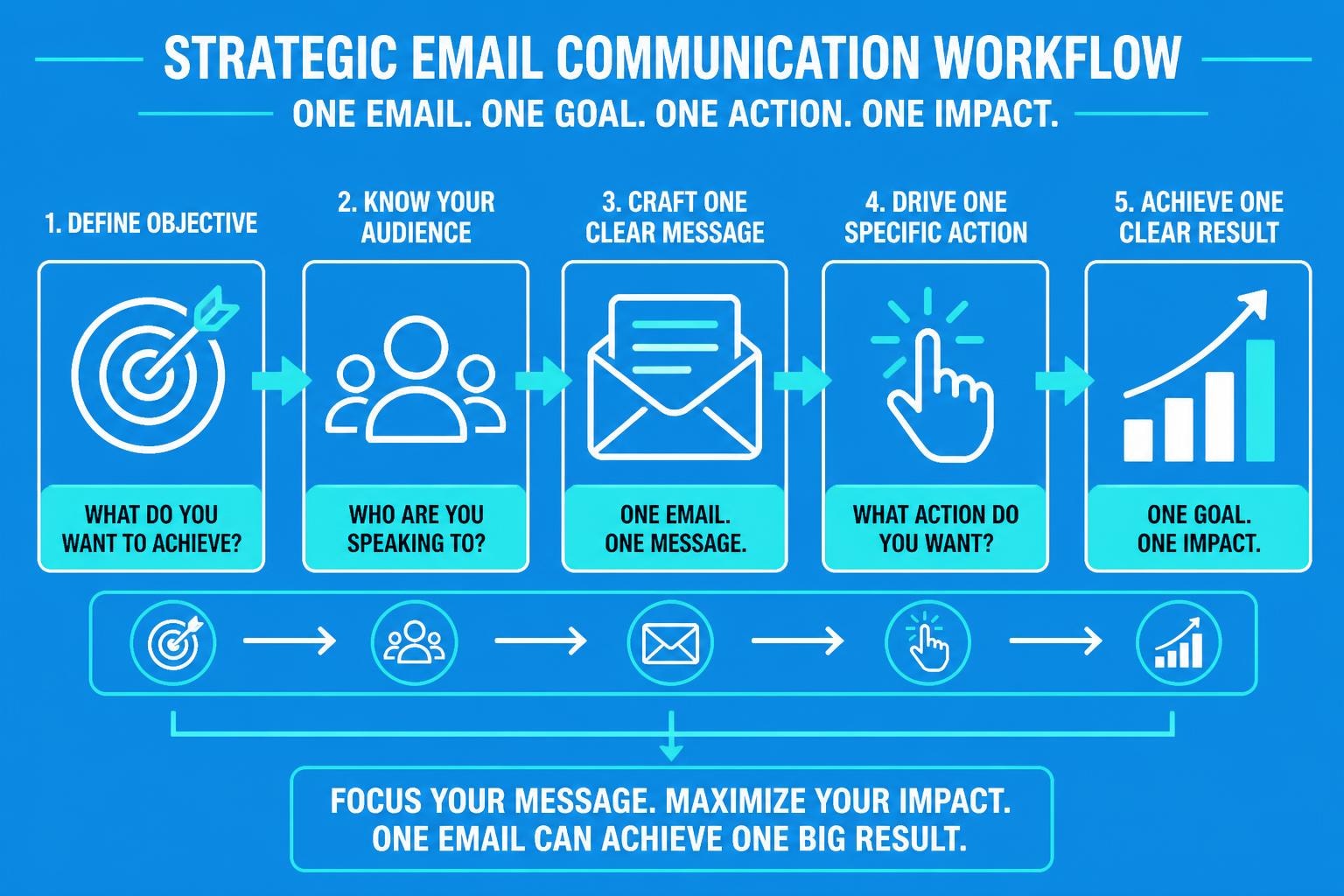
Email marketing remains one of the most powerful tools for small businesses in 2026, but success hinges on strategic execution rather than volume. The concept of 1 use email represents a focused approach where each message serves a specific, singular purpose rather than attempting to achieve multiple goals simultaneously. This methodology transforms cluttered, confusing communications into clear, actionable messages that drive better engagement rates and stronger customer relationships. For small businesses with limited resources, understanding how to craft emails with singular focus can dramatically improve marketing efficiency whilst reducing the time investment required for campaign creation.
Understanding the 1 Use Email Philosophy
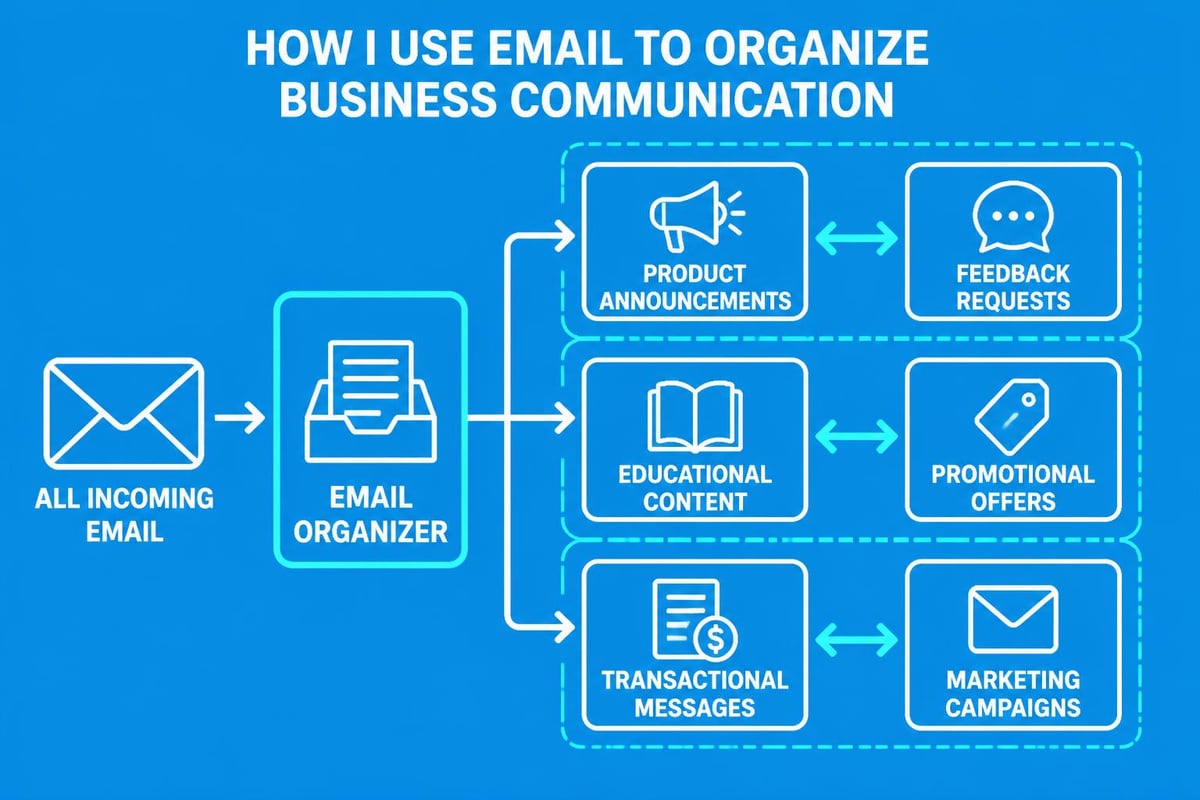
The 1 use email approach centres on dedicating each message to accomplishing one primary objective. Rather than cramming promotional offers, company updates, and educational content into a single newsletter, this strategy advocates for separation and focus. When you send an email announcing a product launch, that message shouldn't simultaneously request feedback on previous purchases or promote unrelated services.
Research consistently demonstrates that emails with multiple competing calls to action experience significantly lower conversion rates. Recipients face decision paralysis when presented with numerous options, often resulting in no action whatsoever. By contrast, a 1 use email guides the reader toward a single, clear next step.
Benefits for Small Business Operations
Small businesses particularly benefit from this streamlined approach because it simplifies campaign planning and execution. Instead of developing complex newsletters requiring extensive design work and content creation, teams can produce focused messages more efficiently.
Key advantages include:
- Reduced production time per email campaign
- Higher engagement rates through clarity
- Simplified performance tracking and analysis
- Improved sender reputation with email providers
- Better alignment between marketing goals and message content
This focused methodology also supports better segmentation strategies. When each email serves one purpose, you can more precisely target the recipients most likely to engage with that specific message. A promotional offer for returning customers doesn't need to reach first-time subscribers, and vice versa.
Implementing 1 Use Email in Your Marketing Calendar
Transitioning to a 1 use email strategy requires thoughtful planning of your marketing calendar. Begin by auditing your current email communications and identifying instances where multiple objectives compete within single messages. Break these multi-purpose emails into separate campaigns, each scheduled strategically to avoid overwhelming your audience.
Strategic Scheduling Approaches
The frequency of your communications matters significantly when adopting this approach. Whilst you might worry that sending more emails (albeit focused ones) could increase unsubscribe rates, data suggests otherwise when messages remain relevant and valuable.
| Email Type | Recommended Frequency | Primary Objective |
|---|---|---|
| Promotional | Weekly or bi-weekly | Drive sales conversions |
| Educational | Fortnightly | Build authority and trust |
| Transactional | As needed | Confirm actions and deliveries |
| Re-engagement | Monthly | Recover inactive subscribers |
Consider implementing a professional email structure that maintains consistency whilst varying content focus. Your audience will come to recognise different email types by subject line patterns, preview text, or sender display names.
Spacing matters tremendously. Even with focused messages, bombarding subscribers with daily emails risks fatigue. Most small businesses find success with two to four strategic sends per week, depending on industry and audience expectations.
Crafting Effective Single-Purpose Messages
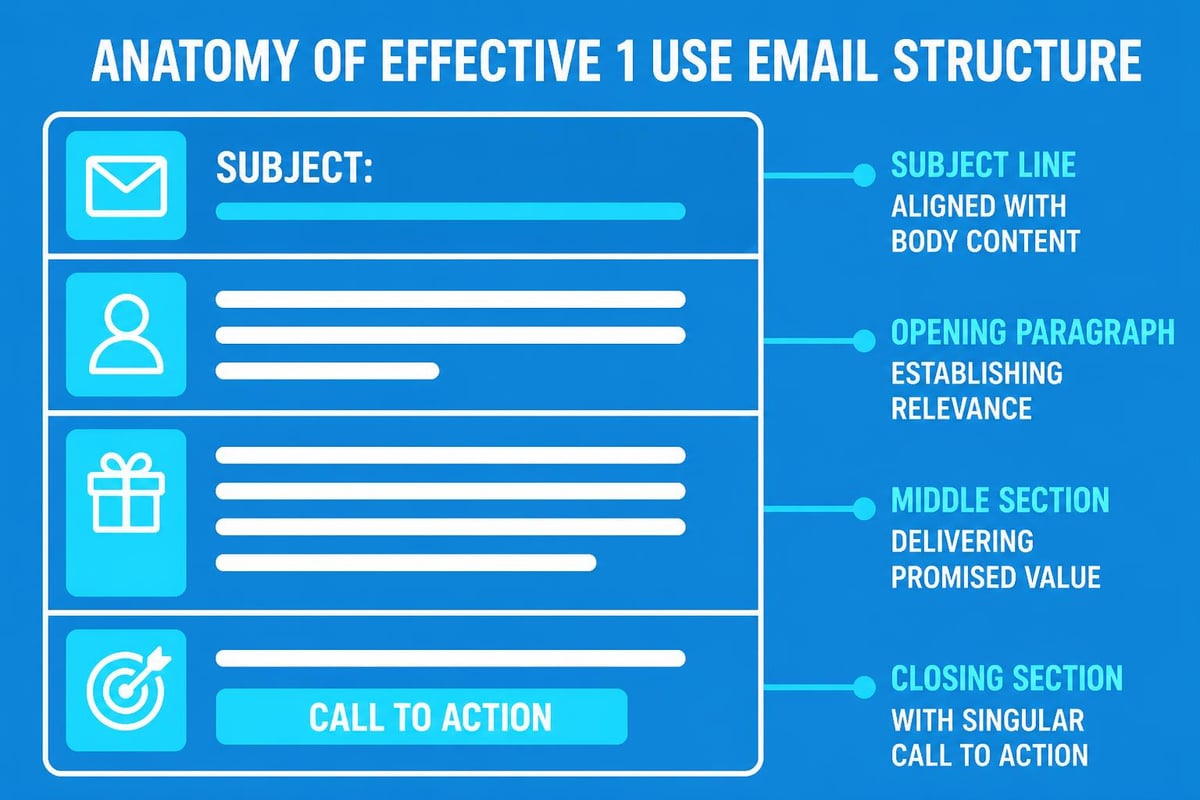
The structural elements of a 1 use email differ from traditional multi-objective newsletters. Every component-from subject line through closing call to action-must reinforce the singular purpose of the message. This alignment creates a cohesive reader experience that feels intentional rather than scattered.
Subject Line Development
Your subject line represents the first decision point in the 1 use email journey. It must clearly indicate the email's purpose without ambiguity or misleading promises. For promotional emails, state the offer directly. For educational content, highlight the specific value or insight readers will gain.
Effective 1 use email subject lines typically follow these patterns:
- Direct value statements: "30% Off Your Next Order This Weekend"
- Question-based curiosity: "Are You Making These Email Marketing Mistakes?"
- Urgency indicators: "Last Chance: Early Bird Pricing Ends Tonight"
- Specific content previews: "How to Segment Your Email List in 5 Steps"
Avoid vague or overly clever subject lines that obscure your message's purpose. Clarity always outperforms creativity when recipients are deciding whether to open your email. Understanding email security best practices also helps ensure your carefully crafted messages reach inboxes rather than spam folders.
Body Content Structure
Once opened, your 1 use email should immediately reinforce the promise made in the subject line. The opening paragraph establishes context and relevance, whilst the body delivers on that promise through concise, focused content. Avoid tangential topics or unrelated updates that dilute your primary message.
Essential structural elements:
- Opening hook: Connects subject line to body content
- Value delivery: Provides the promised information, offer, or update
- Supporting details: Brief context without overwhelming detail
- Single call to action: One clear next step for readers
The length of your email should align with its purpose. Promotional messages might require just three to four short paragraphs, whilst educational content could extend longer if the value justifies the reading time.
Measuring Success with Focused Metrics
The 1 use email approach simplifies performance analysis because you're measuring against a single, defined objective. Rather than trying to assess whether an email succeeded across multiple dimensions, you focus on the metrics directly tied to your campaign's purpose.
Key Performance Indicators by Email Type
Different email purposes demand different success metrics. A promotional campaign should be judged primarily on conversion rate and revenue generated, whilst educational content might prioritise click-through rates to blog posts or resource downloads.
| Campaign Purpose | Primary Metric | Secondary Metrics |
|---|---|---|
| Product promotion | Conversion rate | Revenue per email, click rate |
| Content distribution | Click-through rate | Time on site, social shares |
| Event registration | Sign-up conversion | Email forwards, calendar adds |
| Feedback collection | Response rate | Completion rate, sentiment |
| Re-engagement | Open rate | Click rate, list cleaning |
Tracking these focused metrics enables clearer optimisation paths. When a promotional 1 use email underperforms, you can test variables specifically related to conversion: offer strength, urgency elements, or checkout friction. You're not distracted by metrics irrelevant to that email's purpose.
Testing and Optimisation Strategies
A/B testing becomes more meaningful with the 1 use email framework because variables relate directly to your singular objective. Test subject lines for promotional emails against conversion rate rather than just open rate. Test different educational content formats against engagement depth rather than mere click-through.
Small businesses should prioritise testing:
- Subject line clarity and value communication
- Call to action placement and wording
- Email length relative to purpose
- Personalisation elements and segmentation criteria
- Send time optimisation for different message types
Consider how effective email outreach principles apply to your testing strategy, ensuring each experiment provides actionable insights for future campaigns.
Managing Subscriber Expectations
Transitioning to a 1 use email strategy requires managing subscriber expectations, particularly if you're shifting from infrequent, content-heavy newsletters to more frequent, focused messages. Transparency during this transition builds trust and reduces unsubscribe risk.
Communication About Format Changes
When implementing this approach, consider sending a dedicated message explaining the change and its benefits to subscribers. Frame the shift as an improvement to their experience: they'll receive more relevant, actionable content rather than lengthy newsletters requiring significant reading time.
Your preference centre becomes particularly important with this strategy. Allow subscribers to choose which types of 1 use email they'd like to receive. Someone interested in educational content might not want promotional messages, and respecting these preferences strengthens relationships whilst improving engagement metrics.
Implementing robust email etiquette practices ensures your communications maintain professionalism regardless of frequency. Each message should respect recipient time through clarity and brevity.
Building Trust Through Consistency
Consistency in execution matters tremendously when adopting the 1 use email approach. If subscribers learn that emails from your business always serve a clear, singular purpose, they're more likely to engage because they trust the experience won't waste their time.
This consistency extends to:
- Predictable sending schedules for different email types
- Recognisable formatting that signals message purpose
- Reliable value delivery matching subject line promises
- Respect for unsubscribe requests and preference changes
Small businesses can leverage platforms like Astonish Email to maintain this consistency through templates, scheduling tools, and segmentation features specifically designed for focused campaign execution.
Security Considerations for Business Email
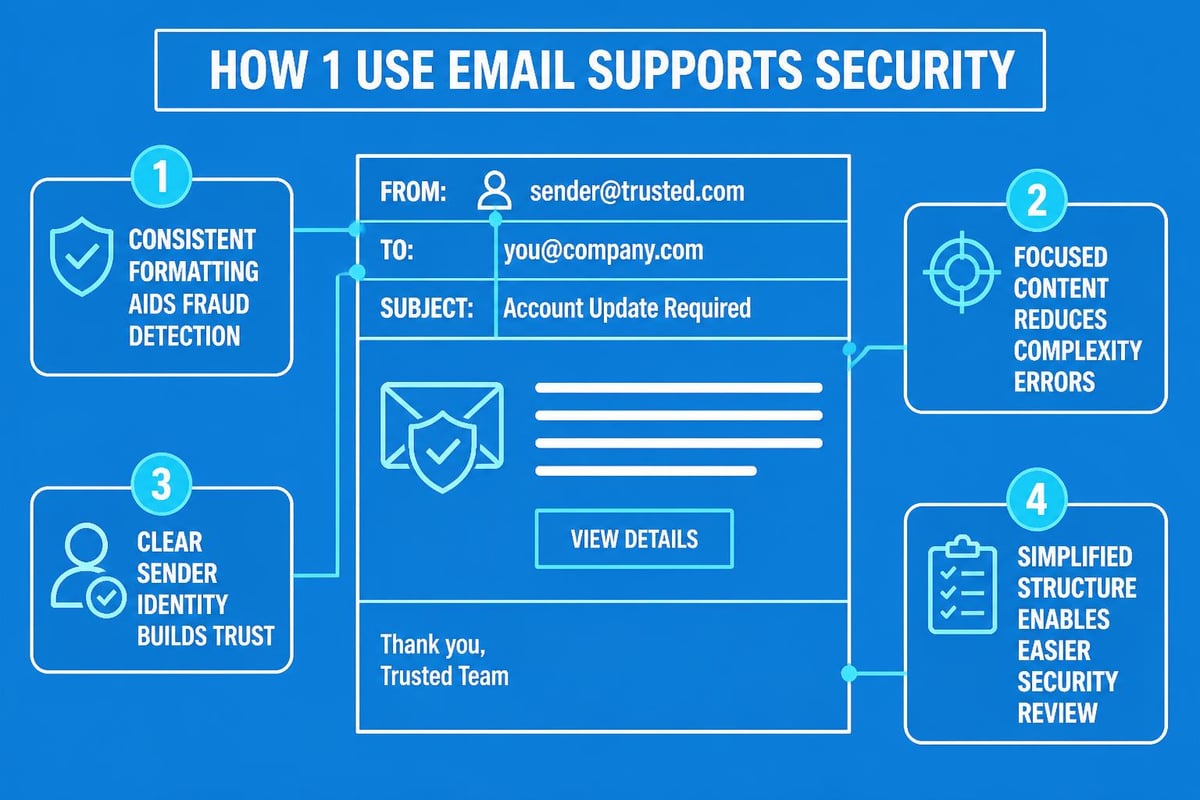
Whilst focusing on email purpose and structure, small businesses cannot neglect security implications. The 1 use email approach actually supports better security practices by encouraging careful message review before sending. Each focused email requires less complexity, reducing opportunities for errors that might compromise security.
Protecting Your Communications
Understanding what email security entails helps protect both your business and subscribers. Single-purpose emails reduce phishing risks because consistent formatting and clear purposes make fraudulent messages easier to identify.
Essential security practices include:
- Implementing strong authentication protocols
- Regular review of sender permissions and access
- Consistent formatting that subscribers recognise
- Clear identification of legitimate business communications
- Prompt response to security incidents or concerns
Creating an email security policy becomes particularly important as your email frequency increases with focused campaigns. This policy should outline acceptable use, security protocols, and procedures for handling sensitive customer data within your email marketing activities.
Consider how your business email approach incorporates security from the foundation, ensuring every campaign protects both your brand reputation and customer trust.
Adapting the Strategy Across Business Functions
The 1 use email philosophy extends beyond marketing campaigns into various business communications. Customer service, internal operations, and transactional messaging all benefit from this focused approach. Each email serves one clear purpose, whether confirming an order, requesting specific information, or providing a targeted update.
Internal Communication Applications
Within your organisation, adopting 1 use email principles improves efficiency and reduces information overload. Instead of lengthy email threads attempting to address multiple topics, focused messages keep conversations on track and searchable for future reference.
Team members can quickly scan subject lines to determine relevance and urgency when each internal email addresses a single issue or request. This clarity accelerates decision-making and reduces the time spent managing inbox clutter.
Customer Service Excellence
Support communications particularly benefit from singular focus. When responding to customer enquiries, addressing one issue thoroughly in each email prevents confusion and creates clear documentation of problem resolution. If multiple issues require attention, separate focused emails often provide better customer experience than a single lengthy response attempting to cover everything.
This approach also improves ticket management and follow-up tracking. Each email thread relates to one specific issue, making it easier to monitor resolution status and gather data about common support needs.
Integration With Broader Marketing Strategy
The 1 use email approach shouldn't exist in isolation but rather integrate seamlessly with your broader marketing efforts. Each focused email campaign supports specific marketing objectives whilst contributing to overarching business goals. This integration requires strategic planning that maps individual email purposes to quarterly objectives and annual targets.
Cross-Channel Coordination
Your email campaigns should coordinate with other marketing channels whilst maintaining their focused purpose. A promotional email might support a social media campaign, but the email itself remains dedicated to driving conversions rather than attempting to also build social followings.
When planning campaigns, consider:
- How each 1 use email supports specific funnel stages
- Which customer segments receive which message types
- How email timing coordinates with other channel activities
- What data from email performance informs other marketing decisions
- How email contributes to overall customer lifetime value
Platforms offering comprehensive email marketing solutions for small businesses often provide integration capabilities that streamline cross-channel coordination whilst maintaining the focus required for effective 1 use email execution.
Content Repurposing Opportunities
The focused nature of 1 use email creates excellent content repurposing opportunities. An educational email can become a social media series, blog post foundation, or video script. Promotional emails might inform paid advertising copy. This repurposing maximises content investment whilst maintaining message consistency across channels.
However, ensure repurposed content adapts appropriately to each channel's unique characteristics. What works as a focused email might require restructuring for other platforms, but the core message and purpose remain consistent.
Overcoming Common Implementation Challenges
Small businesses often encounter specific obstacles when adopting the 1 use email strategy. Resource constraints, technical limitations, and established habits can all complicate implementation. Addressing these challenges proactively increases success likelihood and accelerates the transition process.
Resource Allocation Concerns
Many small business owners worry that creating more focused emails requires more time than producing occasional comprehensive newsletters. Initially, the transition period may indeed demand additional effort as you establish new templates, processes, and scheduling routines.
However, the long-term efficiency gains typically offset this initial investment. Focused emails require less complex content creation, simplified design decisions, and clearer approval processes. Once established, many businesses find they spend less total time on email marketing whilst achieving better results.
Time-saving strategies include:
- Developing reusable templates for each email type
- Creating content calendars that pre-plan focused campaigns
- Batching similar email creation tasks together
- Automating appropriate message types
- Leveraging analytics to eliminate underperforming campaigns
Understanding how to create effective business email infrastructure supports efficient campaign execution regardless of frequency or focus.
List Segmentation Complexity
Implementing 1 use email effectively often requires more sophisticated list segmentation than simple mass broadcasts. Small businesses with limited technical expertise might find segmentation daunting, but modern email platforms have simplified this process considerably.
Start with basic segmentation criteria such as:
- Purchase history (customers vs prospects)
- Engagement level (active vs inactive subscribers)
- Demographic factors relevant to your business
- Stated preferences from subscription forms
- Geographic location for localised offers
As you become comfortable with basic segmentation, gradually add complexity that supports increasingly precise 1 use email targeting. Each refinement improves relevance and engagement whilst building valuable customer data assets.
Future-Proofing Your Email Strategy
The 1 use email approach aligns well with emerging email marketing trends anticipated through 2026 and beyond. Increasing emphasis on personalisation, privacy regulations, and inbox competition all favour focused, relevant communications over generic mass messaging.
Adapting to Privacy Regulations
Data protection requirements continue evolving, with regulations emphasising transparency and user control. The 1 use email methodology supports compliance by making it easier to explain what subscribers receive and why. Clear, singular purposes for each message type simplify preference management and consent documentation.
When subscribers understand exactly what they're signing up for-weekly promotional offers, monthly educational content, or transactional updates-they can make informed decisions about which communications they wish to receive. This transparency builds trust whilst ensuring regulatory compliance.
Technological Advancement Opportunities
Emerging technologies like advanced personalisation engines and artificial intelligence-powered optimisation work particularly well with focused email campaigns. Machine learning algorithms can more effectively predict optimal send times, subject lines, and content variations when training on emails with singular, measurable objectives.
Consider how your email platform roadmap aligns with technological trends. Capabilities like predictive segmentation, dynamic content optimisation, and automated A/B testing become more valuable when applied to focused campaigns with clear success metrics.
Exploring different email marketing platforms helps identify solutions offering the features necessary for sophisticated 1 use email execution as your business grows.
Implementing a 1 use email strategy transforms how small businesses approach email marketing, creating focused campaigns that respect subscriber time whilst achieving specific business objectives more effectively. By dedicating each message to a singular purpose, you simplify production, improve engagement, and build stronger customer relationships through relevant, actionable communications. Astonish Email provides the tools and features small businesses need to execute this focused approach efficiently, from sophisticated segmentation capabilities to performance analytics that measure what truly matters. Start building more effective email campaigns today with a platform designed specifically for small business success.